8 Simple Ways to Keep Your Heart Healthy

A healthy heart is priceless. And the good news is that you don’t need to change your whole life overnight to maintain a healthy heart. Small, consistent changes can make a real difference over time. What you eat, how often you move, how well you sleep, and how you handle stress can all affect your heart health.
Here are eight simple ways to take better care of your heart every day.
1. Eat More Heart-Healthy Foods

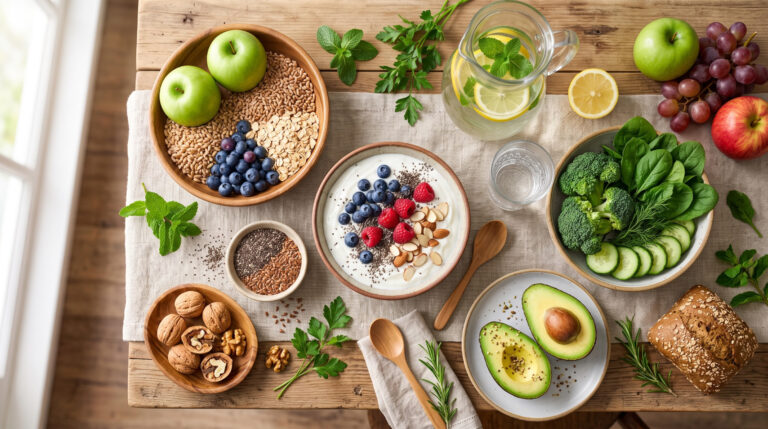
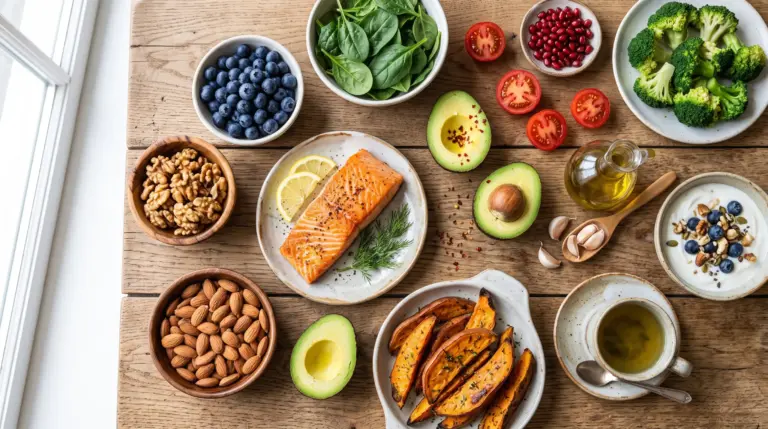
Your everyday diet has a big effect on your heart. Try to build most of your meals around foods that provide plenty of nutrients without a lot of added sugar, sodium, or unhealthy fats.
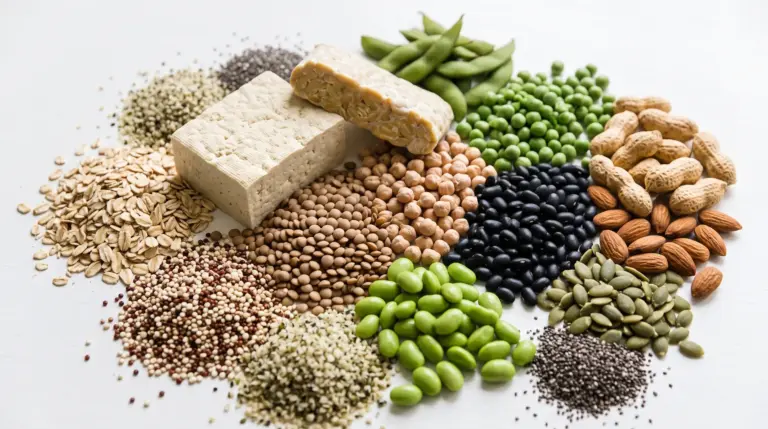
Fruits, vegetables, whole grains, beans, nuts, seeds, and fish are all good choices. These foods provide fiber, vitamins, minerals, and other nutrients that support overall heart health.
You don’t have to eat perfectly. Instead, look for simple swaps. Add some vegetables to your lunch, choose whole grains more often, or have a piece of fruit instead of a sugary snack.
A healthy diet is not about one “superfood.” It’s about what you eat regularly.
2. Get Regular Physical Activity

Your heart is a muscle, and regular movement helps keep it strong.
You don’t have to stay hours at the gym. Walking, cycling, swimming, dancing, and other activities can all get your heart working harder. Even adding more movement to your normal day can help.
If you have been inactive for a while, start small. A short walk after a meal or a few extra minutes of activity each day is a good place to begin. You can gradually increase your activity as you become more comfortable.
The most useful exercise is often the kind you can stick with.
3. Maintain A Healthy Weight

Carrying excess weight can put extra strain on your heart and is linked with several conditions that can affect cardiovascular health.
If you need to lose weight, focus on sustainable habits rather than quick fixes. Eating balanced meals, staying active, getting enough sleep, and paying attention to portion sizes can help.
You don’t need to chase a perfect number on the scale. Even modest, gradual changes can be meaningful for your overall health.
4. Don’t Smoke

If you smoke, quitting is one of the most important things you can do for your heart.
Smoking damages blood vessels and makes it harder for blood to flow normally. It also increases the risk of heart disease and stroke.
Quitting can be difficult, so don’t feel like you have to do it through willpower alone. Talk with a healthcare professional about approaches that may help you quit successfully.
If you don’t smoke, don’t start.
5. Limit Alcohol

Drinking too much alcohol can affect your blood pressure and contribute to other health problems.
If you drink, keeping your intake moderate is a better choice than drinking heavily. And if you don’t drink, there is no need to start for potential health benefits.
Your overall drinking pattern matters more than trying to find a particular type of alcohol that is supposedly “good for the heart.”
6. Prioritize Quality Sleep

Sleep is easy to overlook when you’re thinking about heart health, but it matters.
Most adults need around seven to nine hours of sleep each night. Regularly getting too little sleep may be linked with problems such as high blood pressure and other cardiovascular risk factors.
Try to keep a fairly consistent bedtime and wake-up time. A relaxing evening routine, a comfortable bedroom, and less screen time before bed may also make it easier to get enough rest.
Good sleep is not wasted time. It is part of taking care of your health.
You may take a look at our article discussing how Bedtime Stretching can help you sleep better.
7. Manage Stress

Everyone experiences stress, but constantly feeling stressed can make healthy habits harder to maintain. It can also affect things such as sleep, eating habits, and blood pressure.
You don’t need to eliminate stress from your life. Instead, find healthy ways to manage it.
A daily walk, deep breathing, stretching, time outdoors, meditation, hobbies, or simply taking a few quiet minutes for yourself can help. Spending time with people you enjoy can also make stressful periods easier to handle.
Find what works for you and make it part of your normal routine.
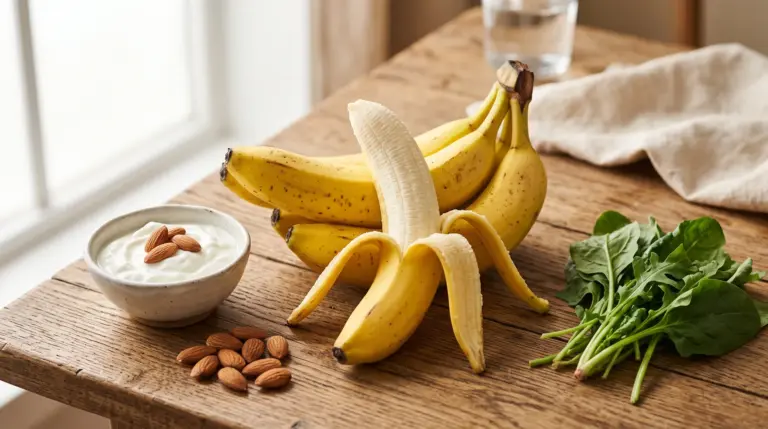
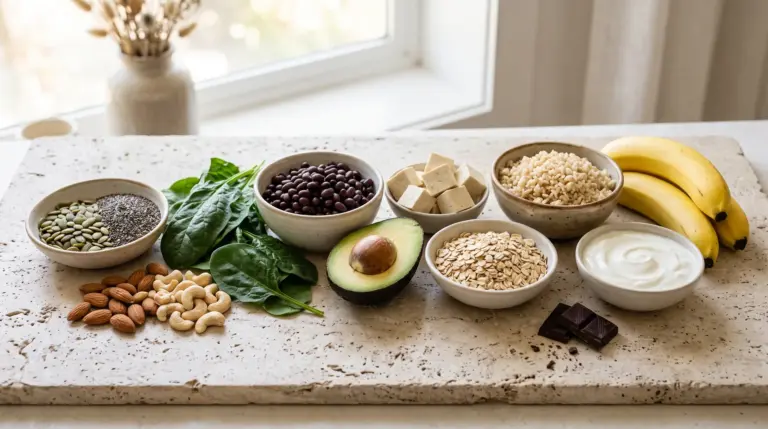
You may also be surprised how some foods can help you manage your stress better.
8. Keep An Eye On Your Heart Health

Feeling healthy doesn’t always mean everything is fine. High blood pressure and high cholesterol, for example, may not cause obvious symptoms.
That’s why regular health checkups are important. Depending on your age, health history, and risk factors, a healthcare professional may recommend checking your blood pressure, cholesterol, blood sugar, and other measures.
It’s also worth paying attention to your overall health, including your diet and digestive habits. For example, getting enough fiber and eating a diet rich in plant foods can support both digestive and overall health. If you’re interested in that side of healthy living, you can also read our guide to natural ways to cleanse your colon and keep your colon healthy.
If you have a personal or family history of heart disease, or you’re concerned about your heart health, talk with your healthcare professional about the checks that are appropriate for you.
The Bottom Line
Keeping your heart healthy doesn’t require a perfect diet or an extreme workout routine. What matters most is building habits you can maintain.
Eat more nutritious foods, move your body regularly, avoid smoking, get enough sleep, manage stress, and keep up with routine health checks. Start with one or two changes that feel realistic, then build from there.
Small choices made consistently can add up to better heart health over time.