10 Tips for Better Sleep With These Bedtime Stretching Routines
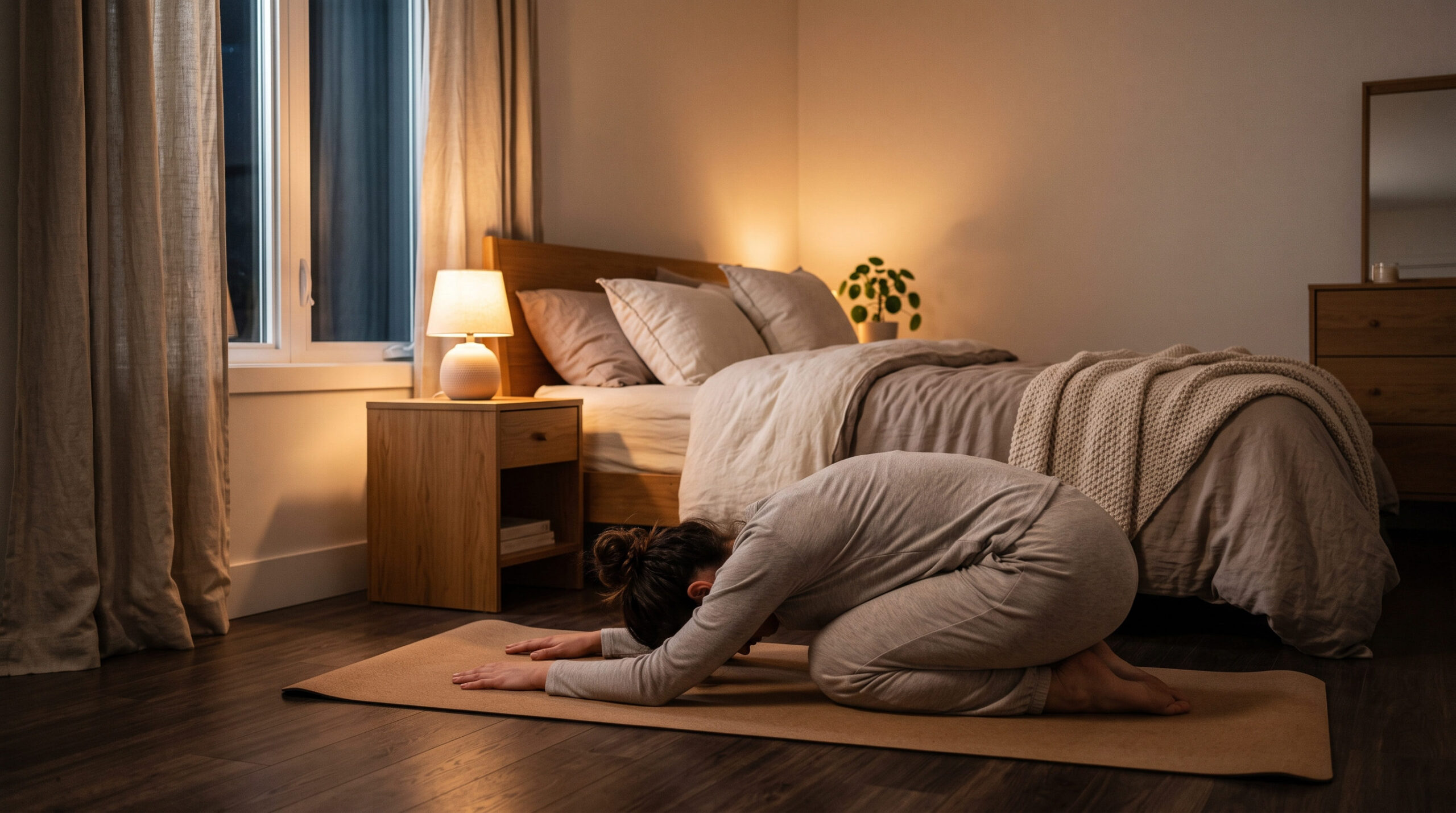
Getting a good night’s sleep isn’t always easy. Stress, long hours sitting at a desk, exercise, or simply scrolling on your phone before bed can leave your body feeling tense. When your muscles stay tight, it becomes much harder to relax and fall asleep.
The good news is that a simple bedtime stretching routine can help your body unwind. Gentle stretches relax your muscles, calm your mind, and prepare you for restful sleep. While stretching isn’t a cure for sleep problems, it can become one of the most effective better sleep tips when combined with a healthy bedtime routine.
In this guide, you’ll discover 10 easy stretches you can do before bed, along with practical advice on how to sleep better and build lasting sleep better habits.
Why Stretching Before Bed Helps You Sleep
Stretching before bed does much more than improve flexibility. It signals your body that it’s time to slow down.
A gentle stretching routine may help:
- Relax tight muscles after a busy day
- Reduce physical tension that keeps you awake
- Encourage slower, deeper breathing
- Lower stress and calm the nervous system
- Improve circulation
- Help you feel more comfortable in bed
These simple benefits can make it easier to sleep better at night and wake up feeling refreshed.
How To Do These Stretches Safely
Before you begin, keep these simple tips in mind:
- Move slowly without bouncing.
- Stretch until you feel gentle tension, not pain.
- Hold each stretch for 20 to 30 seconds.
- Breathe slowly through your nose.
- Stop immediately if you feel pain or dizziness.
- Wear comfortable clothing.
You don’t need any special equipment. A yoga mat or soft carpet is enough.
1. Child’s Pose
Child’s Pose is one of the most relaxing stretches for the entire body.
How To Do It
- Kneel on the floor.
- Sit back onto your heels.
- Stretch your arms forward.
- Lower your chest toward the floor.
- Rest your forehead comfortably.
Benefits
- Relaxes the lower back
- Stretches the hips
- Calms the mind
- Encourages slow breathing
2. Cat-Cow Stretch
This gentle movement loosens the spine and helps release tension from sitting all day.
How To Do It
- Start on your hands and knees.
- Arch your back while looking up.
- Slowly round your back while tucking your chin.
- Repeat for 8 to 10 slow breaths.
Benefits
- Improves spinal mobility
- Releases back stiffness
- Promotes relaxation
3. Seated Forward Fold
This classic stretch gently lengthens the back and hamstrings.
How To Do It
- Sit with your legs straight.
- Keep your back long.
- Reach toward your feet.
- Relax your neck and shoulders.
Benefits
- Stretches the lower back
- Releases tight hamstrings
- Helps calm the nervous system
4. Knee-To-Chest Stretch
This simple stretch eases lower back tightness.
How To Do It
- Lie flat on your back.
- Pull one knee toward your chest.
- Hold for 20 to 30 seconds.
- Switch sides.
- Repeat with both knees together if comfortable.
Benefits
- Relieves lower back tension
- Gently massages the spine
- Encourages relaxation
5. Supine Spinal Twist
A gentle twist helps release stiffness from the back and hips.
How To Do It
- Lie on your back.
- Pull one knee across your body.
- Keep both shoulders on the floor.
- Look toward the opposite side.
Benefits
- Loosens the spine
- Stretches the hips
- Helps your body relax before sleep
6. Butterfly Stretch
Butterfly Stretch opens the hips after a long day of sitting.
How To Do It
- Sit with the soles of your feet together.
- Let your knees fall outward.
- Hold your feet gently.
- Lean forward slightly if comfortable.
Benefits
- Relaxes the inner thighs
- Opens tight hips
- Reduces lower body tension
7. Standing Forward Bend
If you’ve been on your feet all day, this stretch feels especially relaxing.
How To Do It
- Stand with feet hip-width apart.
- Bend forward slowly.
- Let your arms hang naturally.
- Keep your knees slightly bent if needed.
Benefits
- Releases tension from the back
- Stretches the hamstrings
- Encourages blood flow
8. Figure Four Stretch
This stretch targets the hips and glutes.
How To Do It
- Lie on your back.
- Cross one ankle over the opposite knee.
- Pull the supporting leg toward your chest.
- Hold and switch sides.
Benefits
- Relieves hip tightness
- Loosens the glutes
- Helps reduce lower body discomfort
9. Shoulder And Neck Stretch
Many people carry stress in the neck and shoulders.
How To Do It
- Sit comfortably.
- Gently tilt your head toward one shoulder.
- Hold without pulling.
- Repeat on the other side.
- Roll your shoulders slowly several times.
Benefits
- Relieves neck stiffness
- Reduces shoulder tension
- Helps you unwind after work
10. Legs Up The Wall
This is one of the most relaxing bedtime stretches.
How To Do It
- Sit beside a wall.
- Swing your legs up against the wall.
- Lie comfortably on your back.
- Rest your arms by your sides.
- Stay here for 5 to 10 minutes.
Benefits
- Relaxes tired legs
- Encourages circulation
- Helps calm the body before bed
How To Build A Bedtime Stretching Routine
You don’t need to do all ten stretches every night.
A simple 10 to 15-minute routine can be enough:
- Child’s Pose
- Cat-Cow Stretch
- Butterfly Stretch
- Figure Four Stretch
- Supine Spinal Twist
- Legs Up the Wall
Move slowly and focus on your breathing instead of rushing through each stretch.
Extra Better Sleep Tips
Stretching works even better when combined with healthy nighttime habits.
Try these simple ideas:
- Go to bed at the same time every night.
- Keep your bedroom cool and quiet.
- Turn off bright screens at least 30 minutes before bed.
- Avoid heavy meals late in the evening.
- Limit caffeine later in the day.
- Practice deep breathing while stretching.
- Read a book instead of scrolling on your phone.
These small changes can help improve sleep quality over time and make it easier to sleep better tonight.
When Stretching May Not Be Enough
If you regularly struggle to fall asleep, wake up often during the night, or feel exhausted despite getting enough sleep, it’s a good idea to speak with a healthcare professional. Poor sleep can sometimes be linked to medical conditions that need proper treatment.
Stretching is a helpful habit, but it’s only one part of a healthy sleep routine.
The Takeaway
Creating a relaxing bedtime routine doesn’t have to be complicated. These gentle stretches can help your body release tension, quiet your mind, and prepare for restful sleep.
When combined with consistent sleep better habits and other healthy lifestyle choices, stretching may help you sleep better at night and wake up feeling more refreshed. If you’re looking for practical ways on how to sleep better, adding a few minutes of stretching before bed is an easy place to start.
Everyone is different, so try a few of these stretches and build a routine that feels comfortable for you. With consistency and patience, you may find it easier to improve sleep quality and enjoy more restful nights.
One Comment