15 Foods High in Magnesium to Add to Your Diet
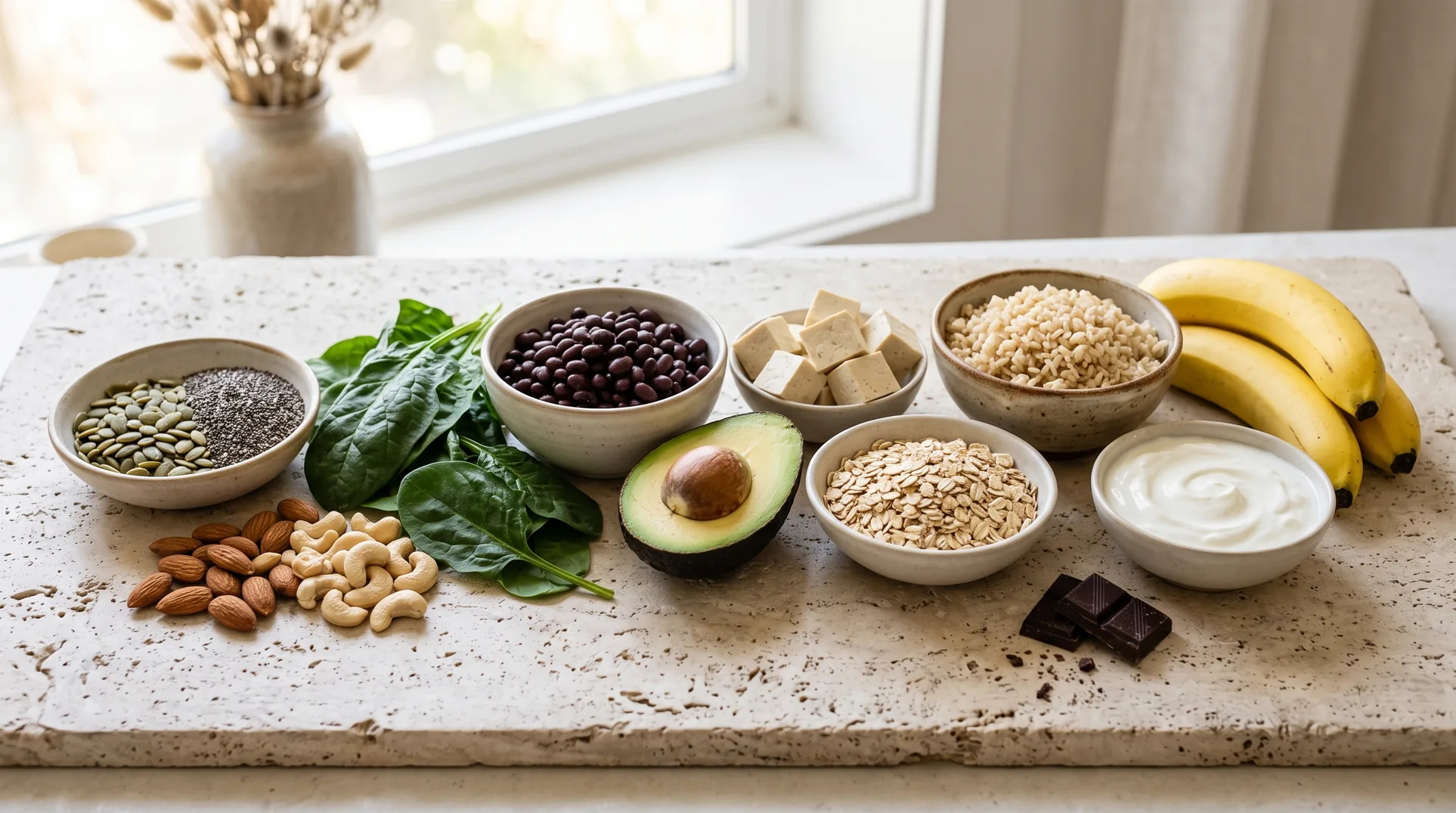
Magnesium is considered one of the most essential nutrients for our bodies, and it’s abundantly available in foods very familiar to us. Magnesium helps us in a lot of things, including energy production, muscle and nerve function, bone health, etc.
Below is a list of foods high in magnesium that you can consume to fulfill your daily need of this vital mineral. Adding more of these foods to your meals can be a simple way to get more magnesium from your diet.
1. Pumpkin Seeds
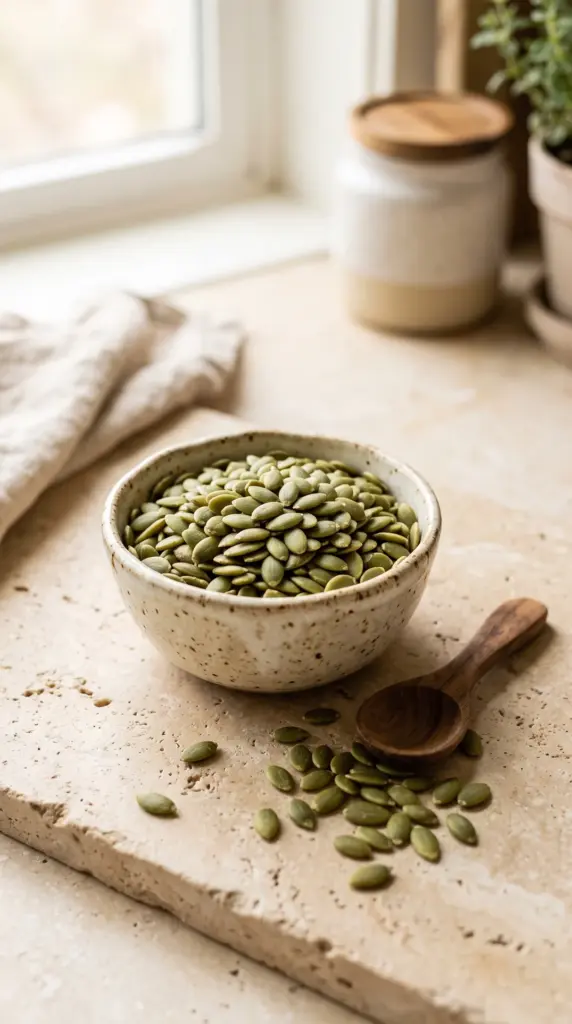
Pumpkin seeds are one of the easiest foods to add when you want more magnesium. They are also a good source of protein, healthy fats, and other minerals.
Sprinkle them over oatmeal, yogurt, salads, or roasted vegetables. You can also eat a small handful as a snack.
2. Chia Seeds

Chia seeds are tiny, but they pack a lot of nutrition into a small serving. Along with magnesium, they provide fiber, protein, and healthy fats.
Try adding them to overnight oats, smoothies, yogurt, or chia pudding. They can also be mixed into oatmeal or sprinkled over fruit.
3. Almonds

Almonds are an easy everyday snack and a useful source of magnesium. They also provide protein, fiber, and unsaturated fats.
Keep a small portion on hand for a quick snack, or add chopped almonds to oatmeal, yogurt, salads, and grain bowls.
4. Cashews
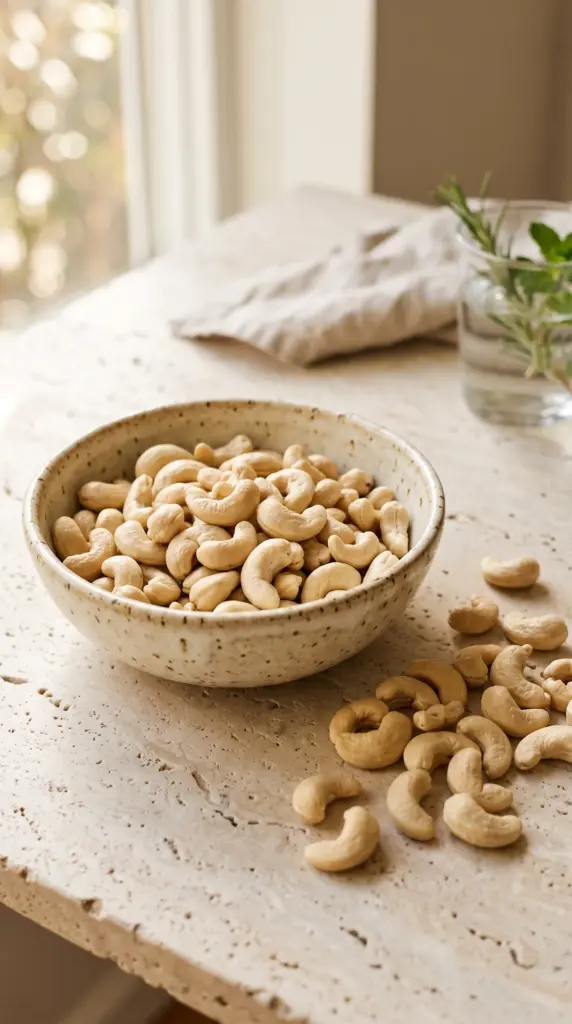
Cashews are another convenient way to add magnesium to your diet. Their mild flavor also makes them easy to use in both sweet and savory foods.
Eat them as a snack or add them to stir-fries, salads, oatmeal, or homemade trail mix.
5. Spinach

Leafy greens such as spinach can contribute a good amount of magnesium while also adding vitamins, minerals, and fiber to your meals.
Fresh spinach works well in salads, omelets, sandwiches, and smoothies. You can also cook it into soups, pasta dishes, or grain bowls.
6. Black Beans

Black beans are a nutritious source of magnesium, along with plant-based protein and plenty of fiber. They are also filling and easy to add to everyday meals.
Use them in tacos, burrito bowls, soups, salads, or simple rice dishes.
7. Peanuts

Peanuts are an affordable and convenient source of magnesium. They also provide protein and healthy fats, making them a satisfying snack.
You can eat roasted peanuts on their own, add them to trail mix, or use natural peanut butter on whole-grain toast or with fruit.
8. Dark Chocolate

Dark chocolate can be a surprisingly good source of magnesium, especially varieties with a higher percentage of cocoa.
Enjoy a small piece as an occasional treat. You can also add a little chopped dark chocolate to oatmeal or yogurt.
Just keep portions reasonable, since chocolate can also contain added sugar and calories.
9. Avocado
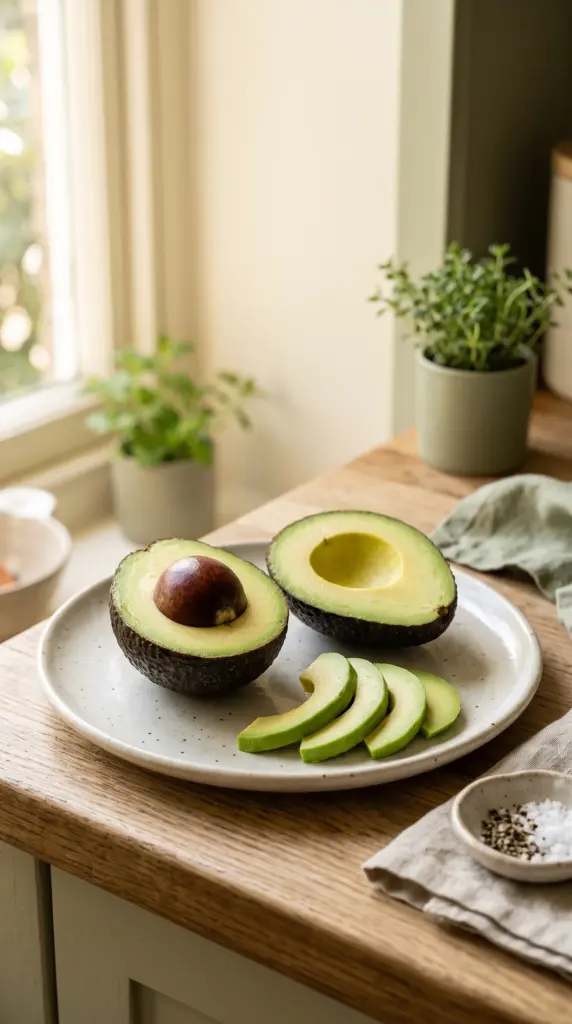
Avocado provides magnesium along with fiber and healthy fats. Its creamy texture makes it easy to work into meals throughout the day.
Add it to toast, salads, sandwiches, grain bowls, or tacos. You can also use mashed avocado as a simple dip.
10. Tofu

Tofu is a versatile plant-based food that can contribute magnesium to your diet. It also provides protein and can take on the flavor of whatever you cook it with.
Try adding tofu to stir-fries, curries, soups, or rice bowls. Firm tofu can also be baked or pan-fried until lightly crisp.
11. Oatmeal

Oatmeal is a simple breakfast choice that can help you get more magnesium. It also provides fiber and makes a good base for other nutrient-rich foods.
Top your oatmeal with pumpkin seeds, chia seeds, almonds, banana, or berries for an easy and filling breakfast.
12. Whole-Grain Bread

Whole grains generally contain more magnesium than refined grains because some of the minerals are lost during processing.
Choosing whole-grain bread can be a simple everyday swap. Use it for toast, sandwiches, or alongside eggs and other breakfast foods.
13. Brown Rice
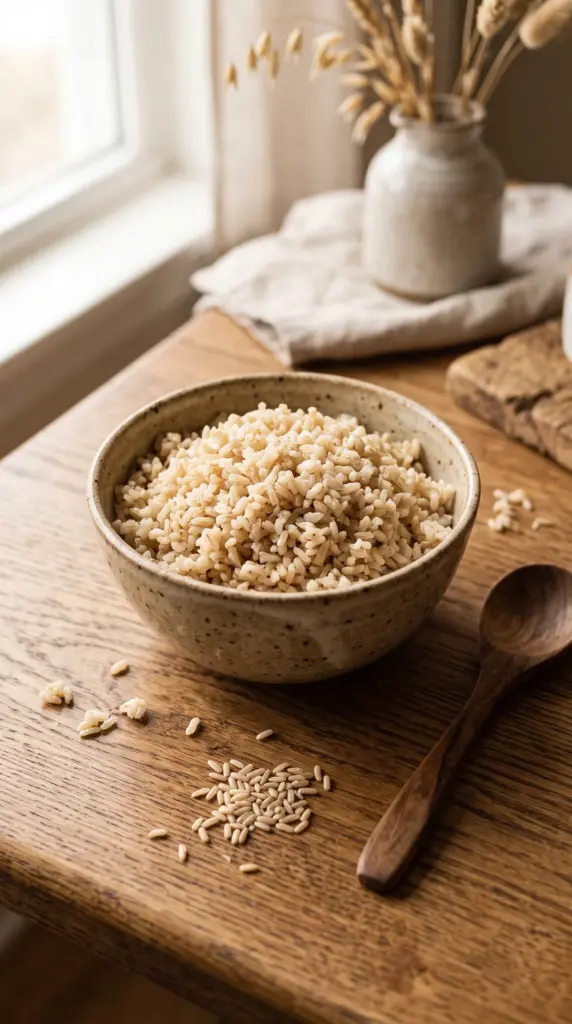
Brown rice is another whole-grain option that provides magnesium as well as fiber. It can easily replace white rice in many meals.
Serve it with beans, vegetables, tofu, fish, chicken, or other foods you already enjoy.
14. Banana

Bananas are better known for their potassium, but they also provide some magnesium. They are inexpensive, portable, and easy to add to meals.
Have one as a snack, slice it over oatmeal, or add it to a smoothie with yogurt and nut butter.
15. Plain Yogurt

Plain yogurt can contribute some magnesium while also providing protein and calcium. It makes a convenient breakfast or snack.
Top it with chia seeds, almonds, pumpkin seeds, or fruit for an easy combination of nutritious foods.
Easy Ways to Get More Magnesium in Your Diet
You don’t have to eat all 15 foods every day. Instead, look for simple ways to include a few of them in your normal meals.
For breakfast, you could add chia seeds and almonds to oatmeal or yogurt. At lunch, try adding black beans, spinach, or avocado to a salad or grain bowl. For dinner, choose brown rice and add tofu or beans alongside vegetables.
Snacks can also help. A small handful of nuts, some fruit with peanut butter, or a little dark chocolate can be an easy addition to your day.
The goal isn’t to make every meal perfect. It’s simply to make magnesium-rich foods a regular part of your overall eating pattern.
A Quick Recap
There are many foods you can choose from when you want to get more magnesium through your diet. Seeds, nuts, beans, leafy greens, whole grains, avocado, tofu, and other everyday foods can all contribute.
Pumpkin seeds, chia seeds, almonds, cashews, spinach, black beans, peanuts, dark chocolate, avocado, tofu, oatmeal, whole-grain bread, brown rice, bananas, and plain yogurt are all useful options to keep in your rotation.
Pick a few that you already enjoy and find simple ways to add them to meals you already eat. Small changes are often easier to maintain than trying to completely overhaul your diet.