15 Foods to Prevent Heart Attacks
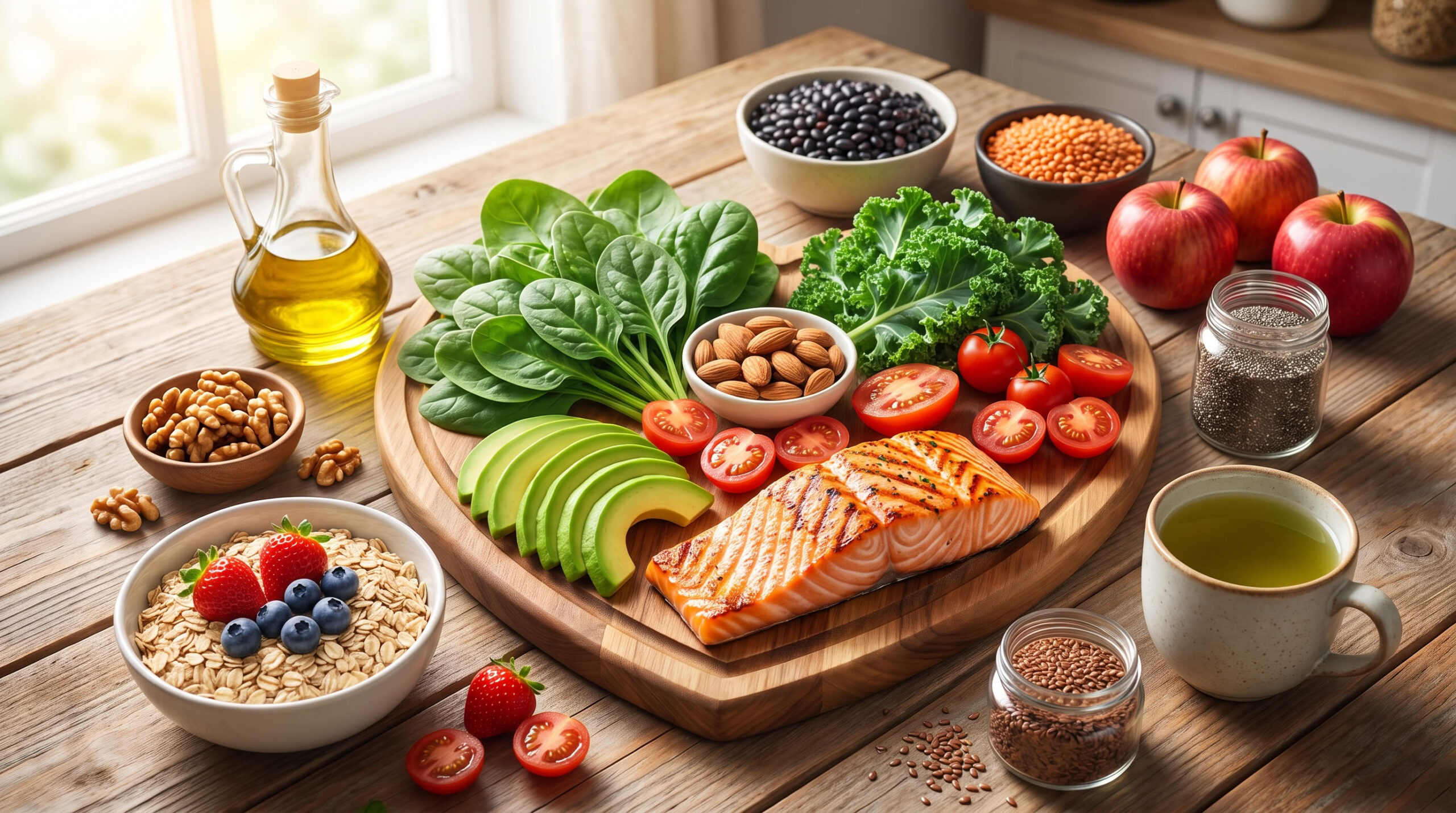
Heart disease is one of the leading causes of death around the world. The good news is that your daily food choices can make a big difference. While no single food can guarantee that you’ll never have a heart attack, eating a balanced diet filled with nutritious ingredients can help lower your risk over time.
If you’re looking for a simple food to prevent heart attacks, start by filling your plate with whole foods instead of processed ones. Combined with regular exercise, good sleep, and healthy habits, these foods can support a stronger heart and better overall health.
Let’s look at the best foods to add to your shopping list.
Why Your Diet Matters for Heart Health
Your heart works every second of every day, and it depends on healthy blood vessels to deliver oxygen throughout your body. Eating too much saturated fat, trans fat, added sugar, and sodium can increase the risk of high cholesterol, high blood pressure, and clogged arteries.
On the other hand, healthy heart foods provide fiber, healthy fats, antioxidants, vitamins, and minerals that help keep your heart and blood vessels in good shape.
If you’re wondering how to prevent heart attacks naturally, improving your daily diet is one of the best places to start.
1. Oats
Oats are one of the best breakfast choices for heart health.
They contain soluble fiber called beta-glucan, which helps reduce LDL (bad) cholesterol by carrying it out of the body before it can build up in your arteries.
Try eating:
- Oatmeal
- Overnight oats
- Homemade oat muffins
- Oat smoothies
2. Salmon
Salmon is rich in omega-3 fatty acids that help reduce inflammation and support healthy blood vessels.
Eating fatty fish once or twice a week may lower the risk of heart disease.
Other good options include:
- Sardines
- Mackerel
- Trout
- Herring
3. Leafy Green Vegetables
Spinach, kale, Swiss chard, and other leafy greens are packed with nutrients that support heart health.
They’re rich in:
- Potassium
- Folate
- Vitamin K
- Nitrates that help blood vessels relax
Aim to include leafy greens in salads, soups, smoothies, or stir-fries.
4. Berries
Blueberries, strawberries, raspberries, and blackberries contain antioxidants that protect your cells from damage.
They’re naturally sweet, high in fiber, and may help reduce inflammation and blood pressure.
Fresh or frozen berries are both excellent choices.
5. Walnuts
Walnuts contain healthy fats, fiber, and plant-based omega-3 fatty acids.
Eating a small handful several times a week may support healthy cholesterol levels and reduce inflammation.
Remember that walnuts are calorie-dense, so enjoy them in moderation.
6. Almonds
Almonds are another heart-friendly snack.
They’re rich in:
- Vitamin E
- Magnesium
- Healthy fats
- Protein
Swap chips or cookies for a handful of unsalted almonds when you need a snack.
7. Avocados
Avocados provide heart-healthy monounsaturated fats that can help improve cholesterol levels.
They also contain potassium, which supports healthy blood pressure.
Spread avocado on whole-grain toast or add slices to salads and sandwiches.
8. Beans And Lentils
Beans and lentils are affordable, filling, and excellent for your heart.
They’re packed with:
- Plant protein
- Fiber
- Iron
- Magnesium
Replacing some meat meals with beans can reduce saturated fat intake while increasing fiber.
9. Olive Oil
Extra virgin olive oil is one of the healthiest cooking oils available.
It contains healthy fats and antioxidants that help protect your blood vessels.
Use it for:
- Salad dressings
- Roasted vegetables
- Light cooking
10. Tomatoes
Tomatoes contain lycopene, a powerful antioxidant linked to heart health.
Cooking tomatoes may actually increase the amount of lycopene your body absorbs.
Enjoy tomatoes in soups, sauces, salads, or sandwiches.
11. Garlic
Garlic has been used in cooking and traditional medicine for centuries.
Some research suggests it may help support healthy blood pressure and cholesterol levels.
Fresh garlic usually provides the greatest benefits.
12. Dark Chocolate
Good news for chocolate lovers!
Dark chocolate with at least 70% cocoa contains flavonoids that may support healthy blood vessels.
Keep portions small since chocolate still contains calories and sugar.
13. Apples
An apple a day may really help your heart.
Apples are rich in soluble fiber and plant compounds that support healthy cholesterol levels.
Leave the skin on whenever possible because that’s where much of the fiber is found.
14. Flaxseeds And Chia Seeds
These tiny seeds are loaded with:
- Fiber
- Omega-3 fats
- Protein
- Antioxidants
Sprinkle them over yogurt, oatmeal, or smoothies for an easy nutrition boost.
15. Green Tea
Green tea contains antioxidants called catechins that may support healthy blood vessels and circulation.
Choose unsweetened green tea for the greatest health benefits.
Foods To Limit For Better Heart Health
Adding healthy foods is important, but reducing unhealthy foods matters too.
Try to limit:
- Processed meats
- Sugary drinks
- Fried foods
- Fast food
- Packaged snacks
- Foods high in trans fats
- Excess salt
- Highly processed desserts
Small changes over time can have a big impact.
Healthy Heart Tips That Go Beyond Food
Food is only one part of keeping your heart healthy.
Here are some healthy heart tips that can make an even bigger difference:
- Walk or exercise for at least 30 minutes most days.
- Maintain a healthy weight.
- Don’t smoke or vape.
- Limit alcohol.
- Sleep 7 to 9 hours each night.
- Manage stress through meditation, hobbies, or spending time with loved ones.
- Get regular health checkups.
- Keep your blood pressure, blood sugar, and cholesterol under control.
These habits work together with a healthy diet to help prevent heart problems.
Can Food Alone Prevent Heart Attacks?
Unfortunately, no.
There isn’t one magical food to prevent heart attacks, and no food can completely eliminate your risk.
Heart attacks happen because of many factors, including genetics, age, smoking, diabetes, high blood pressure, high cholesterol, lack of exercise, and lifestyle choices.
However, eating more healthy heart foods as part of a balanced lifestyle can significantly reduce your risk over time.
If you already have heart disease or other medical conditions, always follow your healthcare provider’s advice about medication, diet, and exercise.
How To Build A Heart-Healthy Plate
A simple way to eat for your heart is to divide your plate like this:
- Half filled with vegetables and fruits
- One-quarter filled with whole grains like brown rice or oats
- One-quarter filled with lean protein such as fish, beans, or chicken
- Add a small amount of healthy fat like olive oil or avocado
This balanced approach can help support long-term heart health.
Frequently Asked Questions
What is the best food to prevent heart attacks?
There isn’t a single best food. A diet that includes oats, salmon, leafy greens, berries, beans, olive oil, nuts, and other whole foods offers the greatest protection when combined with a healthy lifestyle.
Which fruit is best for heart health?
Berries, apples, oranges, pomegranates, and avocados are all excellent choices because they provide fiber, antioxidants, and important vitamins.
Can diet help prevent heart blockage?
A healthy diet may help reduce the buildup of plaque in arteries by improving cholesterol, blood pressure, and inflammation. While diet alone cannot completely prevent heart blockage, it plays a major role alongside exercise, not smoking, and managing medical conditions.
Is it possible to prevent and reverse heart disease?
In some people, intensive lifestyle changes and proper medical treatment can slow, stop, or even partially reverse certain forms of coronary artery disease. If you’re looking into ways to prevent and reverse heart disease, speak with your healthcare provider about a personalized treatment plan.
What to Remember
Learning how to prevent heart disease doesn’t require a perfect diet. It starts with making healthier choices more often than not.
Fill your meals with fruits, vegetables, whole grains, beans, nuts, seeds, healthy oils, and fish whenever possible. Pair these foods with regular exercise, quality sleep, stress management, and routine medical care.
When practiced consistently, these habits can help you learn how to prevent heart attacks, reduce your risk of future heart problems, support efforts to prevent heart blockage, and improve your overall health for years to come.