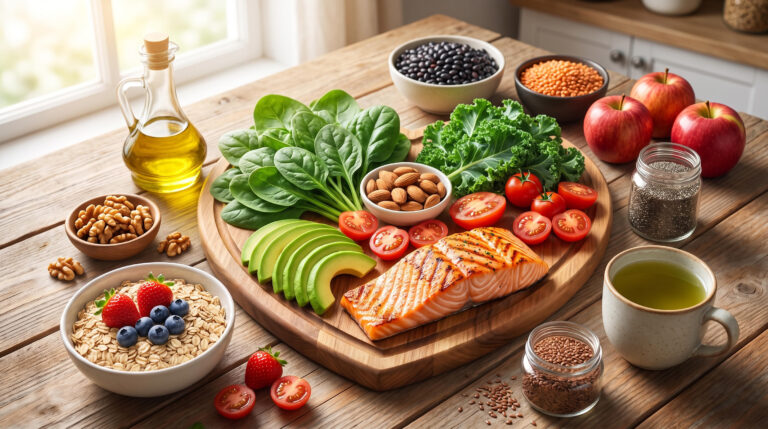
Top 16 Anti-Cancer Foods You Should Add to Your Diet Today
Cancer is a complex disease, and no single food can prevent or cure it. However, research shows that eating a balanced diet filled with nutrient-rich whole foods can help lower the risk of certain cancers and support your overall health.
Many of the foods on this list are packed with antioxidants, vitamins, minerals, fiber, and natural plant compounds that help protect your cells from damage. They also support your immune system, reduce inflammation, and promote healthy digestion.
If you’re looking for an easy anti cancer food list to add to your weekly meals, these everyday foods are a great place to start.
Important: This article is for educational purposes only. If you have cancer or are receiving treatment, always follow your doctor’s or registered dietitian’s advice.
Why Food Matters for Cancer Prevention
Healthy eating cannot guarantee that you’ll never develop cancer, but it can reduce many known risk factors.
A diet rich in fruits, vegetables, whole grains, beans, nuts, and healthy fats may help:
- Reduce chronic inflammation
- Protect cells from oxidative damage
- Support DNA repair
- Improve gut health
- Maintain a healthy weight
- Strengthen your immune system
These benefits make healthy eating one of the most powerful lifestyle habits you can build.
1. Broccoli
Broccoli belongs to the cruciferous vegetable family, along with cauliflower, cabbage, and Brussels sprouts.
It contains sulforaphane, a natural compound that has shown promising anti-cancer effects in laboratory studies.
Broccoli is also rich in:
- Vitamin C
- Fiber
- Folate
- Vitamin K
Try steaming broccoli instead of overcooking it to preserve more nutrients.
2. Blueberries
Blueberries are among the best anti cancer fruits because they are loaded with antioxidants called anthocyanins.
These antioxidants help protect cells from free radical damage that may contribute to cancer development.
Blueberries also provide:
- Vitamin C
- Fiber
- Manganese
Enjoy them fresh, frozen, or blended into smoothies.
3. Garlic
Garlic has been used in traditional cooking and natural wellness practices for centuries.
Its active compound, allicin, may help reduce inflammation and support healthy cell function.
Garlic is easy to add to:
- Soups
- Stir-fries
- Roasted vegetables
- Salad dressings
Fresh garlic generally contains more beneficial compounds than heavily processed garlic products.
4. Tomatoes
Tomatoes are rich in lycopene, a powerful antioxidant responsible for their bright red color.
Some research suggests that diets rich in tomatoes may support prostate health and reduce oxidative stress.
Cooked tomatoes, such as tomato sauce, often provide more absorbable lycopene than raw tomatoes.
5. Green Tea
Green tea contains catechins, especially EGCG, which have been widely studied for their antioxidant properties.
While green tea is not a cure for cancer, drinking it regularly may support overall health as part of a balanced diet.
Choose unsweetened green tea whenever possible.
6. Spinach
Spinach is packed with nutrients your body needs every day.
It provides:
- Vitamin A
- Vitamin C
- Folate
- Iron
- Lutein
Leafy greens are excellent immune boosting foods that fit easily into salads, soups, smoothies, and omelets.
7. Walnuts
Walnuts contain healthy fats, fiber, vitamin E, and plant-based omega-3 fatty acids.
They also provide polyphenols, which have antioxidant effects.
A small handful makes a satisfying snack or salad topping.
8. Turmeric
Turmeric contains curcumin, a natural compound known for its anti-inflammatory properties.
Although researchers continue studying its potential health benefits, turmeric is a flavorful spice that works well in:
- Curry dishes
- Rice
- Soups
- Roasted vegetables
Adding a pinch of black pepper may improve curcumin absorption.
9. Carrots
Carrots are an excellent source of beta-carotene, which your body converts into vitamin A.
They also provide:
- Fiber
- Potassium
- Antioxidants
Raw carrots make a healthy snack, while cooked carrots are delicious in soups and stews.
10. Berries
Besides blueberries, strawberries, raspberries, and blackberries are also rich in antioxidants and fiber.
Eating a colorful mix of berries helps increase your intake of beneficial plant compounds.
They are among the easiest anti cancer fruits to enjoy year-round.
11. Mushrooms
Many edible mushrooms contain compounds that support healthy immune function.
Popular choices include:
- Shiitake
- Oyster
- Maitake
- White button mushrooms
Add them to stir-fries, pasta, soups, or grilled dishes.
12. Beans
Beans are affordable, filling, and packed with nutrition.
They contain:
- Plant protein
- Fiber
- Iron
- Folate
A high-fiber diet supports healthy digestion and may reduce the risk of certain cancers, especially colorectal cancer.
13. Citrus Fruits
Oranges, lemons, grapefruits, and mandarins are excellent sources of vitamin C.
Vitamin C supports collagen production and healthy immune function.
These fruits are refreshing snacks that also help keep you hydrated.
14. Flaxseeds
Flaxseeds are rich in fiber, lignans, and omega-3 fats.
Ground flaxseed is easier to digest than whole seeds.
Sprinkle it over:
- Yogurt
- Oatmeal
- Smoothies
- Homemade bread
15. Sweet Potatoes
Sweet potatoes are naturally rich in:
- Beta-carotene
- Vitamin C
- Potassium
- Fiber
Their natural sweetness makes them an easy substitute for processed side dishes.
Bake, roast, or mash them for a healthy meal.
16. Apples
Apples are high in fiber and contain beneficial plant compounds like quercetin.
Keeping the skin on provides the highest amount of nutrients.
An apple paired with nuts makes a balanced snack that supports long-lasting energy.
Other Healthy Habits That May Lower Cancer Risk
Food is only one piece of the puzzle.
Healthy lifestyle habits include:
- Staying physically active
- Maintaining a healthy weight
- Avoiding tobacco
- Limiting alcohol
- Getting enough sleep
- Wearing sunscreen outdoors
- Keeping up with recommended cancer screenings
Together, these habits may significantly improve your long-term health.
What to Eat During Cancer Treatment
People receiving cancer treatment often have different nutritional needs.
Many people search for chemo foods to eat because treatment can affect appetite, taste, and digestion.
Depending on your healthcare team’s advice, helpful options may include:
- Soft scrambled eggs
- Oatmeal
- Yogurt
- Bananas
- Smooth soups
- Mashed potatoes
- Smoothies
- Lean chicken
- Rice
- Well-cooked vegetables
Always speak with your oncology team or registered dietitian before making major dietary changes during treatment.
Can an Anti-Cancer Diet Prevent Cancer?
There is no guaranteed anti cancer diet for women or men that completely prevents cancer.
However, eating mostly whole, minimally processed foods while limiting sugary drinks, processed meats, and heavily processed foods may help reduce risk.
Many experts recommend filling your plate with colorful fruits and vegetables, whole grains, legumes, nuts, seeds, and healthy fats.
This eating pattern supports overall wellness throughout life.
Everyday Foods That Support Your Immune System
Your immune system works best when your body receives enough nutrients every day.
Some excellent immune boosting foods include:
- Citrus fruits
- Garlic
- Yogurt
- Spinach
- Broccoli
- Blueberries
- Mushrooms
- Almonds
- Pumpkin seeds
These foods also fit well into many balanced eating patterns focused on long-term health.
Are Natural Remedies Enough?
Many people look for home health remedies or special healing food that promises dramatic results.
While nutritious foods play an important role in supporting your health, they should never replace medical care or cancer treatment recommended by qualified healthcare professionals.
Think of healthy eating as one part of a complete wellness plan that includes exercise, quality sleep, stress management, regular medical checkups, and following your healthcare provider’s advice.
Before You Go
Building a healthier diet doesn’t have to be complicated.
Start by adding more colorful vegetables, fruits, beans, whole grains, nuts, and healthy spices to your meals each week. Small changes can add up over time.
Remember, there is no magic food that prevents cancer. Instead, focus on eating a wide variety of nutrient-rich foods and maintaining healthy lifestyle habits. Your body benefits from consistency, not perfection.
The best approach is to enjoy wholesome meals every day while working closely with your healthcare provider for personalized advice, especially if you have cancer or are undergoing treatment.