
Winter can change the way you think about personal hygiene. Cold temperatures may make you want to take fewer showers, stay bundled up in the same clothes, or turn up the water temperature when bathing. At the same time, dry air, heavier clothing, indoor heating, and spending more time indoors can create their own hygiene challenges.
Good winter hygiene does not mean taking longer showers or using more products. It is about keeping your body clean, managing sweat and odor, protecting your skin, and maintaining simple habits that keep you comfortable throughout the colder months.
Here are practical winter hygiene tips that can help you stay clean, fresh, and healthy all season long.
1. Don’t Stop Showering Just Because It’s Cold

Cold weather can make getting into the shower feel much less appealing, but winter does not eliminate the need for regular bathing.
You may sweat less than you do during hot weather, but your skin still accumulates sweat, oil, dead skin cells, bacteria, and environmental dirt. Areas such as the underarms, groin, feet, and skin folds can still develop odor if they are not cleaned regularly.
Your showering frequency can depend on your activity level, skin type, and personal needs. If you are not sweating heavily or getting dirty, a shorter shower may be enough.
The goal is consistent hygiene without unnecessarily drying out your skin.
2. Use Lukewarm Water Instead of Very Hot Water

A steaming-hot shower can feel wonderful on a cold morning, but very hot water can strip the skin of its natural oils and make winter dryness worse.
Instead, use comfortably warm or lukewarm water. Keep showers reasonably short, particularly if your skin becomes dry or irritated during winter.
After bathing, gently pat your skin dry instead of rubbing it aggressively with a towel. Applying moisturizer while the skin is still slightly damp can also help retain moisture.
3. Wash Sweat-Prone Areas Every Day

Even when the weather is cold, some parts of your body can still become sweaty and develop odor.
Pay particular attention to:
- Underarms
- Groin and external genital area
- Feet
- Skin folds
- Areas covered by tight or multiple layers of clothing
Daily cleaning of these areas can help control odor and reduce the buildup of sweat and bacteria.
You do not necessarily need to scrub your entire body aggressively every day. Focus on good coverage and gentle cleansing.
4. Change Underwear and Socks Regularly

Winter clothing can make it easy to forget what is underneath all those layers.
Underwear and socks come into direct contact with sweat, skin oils, and bacteria, so they should be changed regularly even when you do not feel particularly sweaty.
Fresh underwear each day is a simple baseline for most people. Socks may need to be changed more frequently if your feet become damp, you exercise, or you spend much of the day wearing closed shoes.
If clothing becomes sweaty or damp, change it rather than waiting for it to dry on your body.
5. Keep Your Feet Clean and Completely Dry
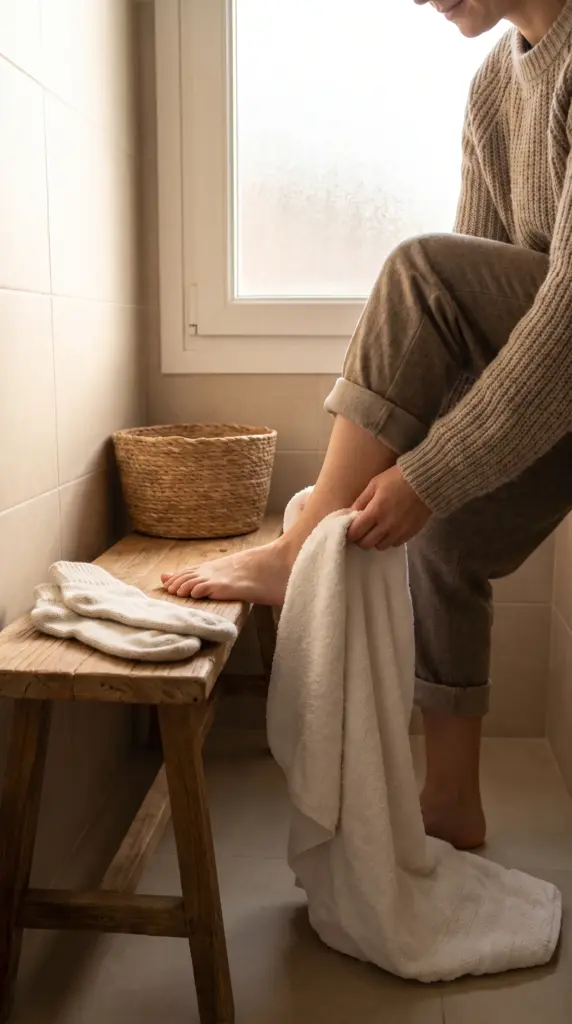
Your feet can spend most of winter enclosed in socks and shoes, creating a warm, enclosed environment where moisture and odor can build up.
Wash your feet regularly and pay attention to the spaces between your toes. Dry them thoroughly afterward, especially between the toes, before putting on socks.
Choose clean, breathable socks and allow shoes to dry properly if they become damp.
If you frequently experience persistent foot odor, itching, peeling, or other unusual changes, it may be worth discussing them with a healthcare professional rather than simply using stronger hygiene products.
6. Pay Attention to Body Odor Even in Winter

Sweating may decrease in cold weather, but body odor does not necessarily disappear.
Underarms, feet, and the groin can still produce odor, particularly when covered by multiple layers of clothing for long periods.
Regular washing, clean underwear and socks, breathable clothing, and properly dried skin can help you stay fresh.
If you use deodorant or antiperspirant, apply it according to the product’s directions. Remember that deodorant helps control odor, while antiperspirant is designed to reduce sweating.
Looking for ideas to get rid of body odor? We have some nice tips for you:
How to Get Rid of Body Odor: 10 Everyday Habits
7. Moisturize After Bathing and Handwashing
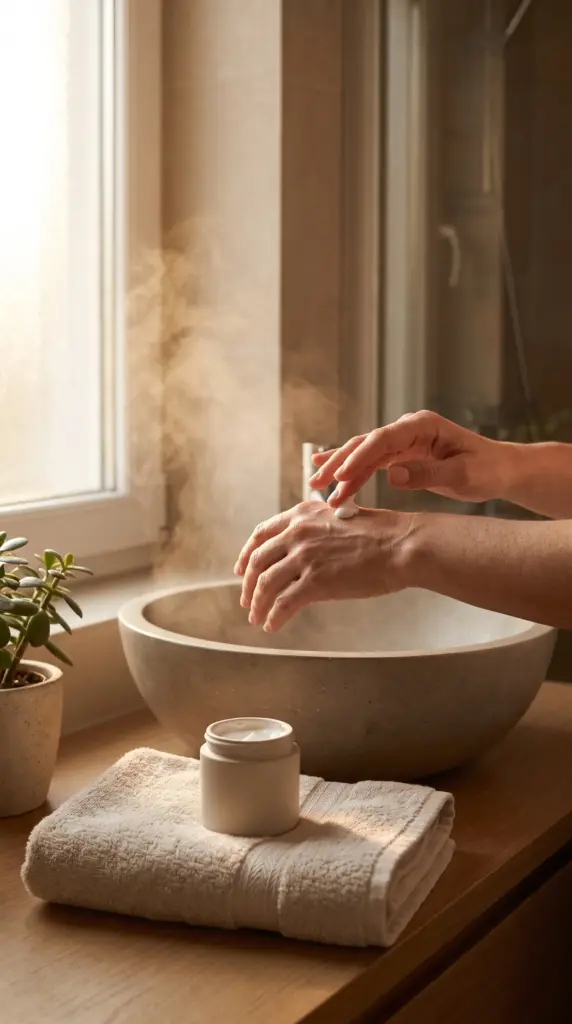
Winter air can be dry, and frequent handwashing can further remove some of the skin’s protective oils.
A simple moisturizer can help reduce dryness and keep the skin barrier comfortable.
Apply moisturizer after bathing while your skin is still slightly damp. For your hands, consider applying moisturizer after washing when they frequently feel dry or tight.
If a particular product causes burning, redness, or irritation, stop using it and choose a gentler alternative.
8. Wash Your Hands Frequently and Correctly

Cold weather does not change the importance of hand hygiene.
Wash your hands with soap and clean running water, particularly:
- Before eating or preparing food
- After using the toilet
- After coughing, sneezing, or blowing your nose
- After returning home from public places
- After touching potentially contaminated surfaces
- After caring for someone who is sick
Wash thoroughly rather than simply rinsing your fingertips.
If soap and water are not available, an alcohol-based hand sanitizer can be useful when appropriate.
9. Take Care of Dry, Cracked Hands
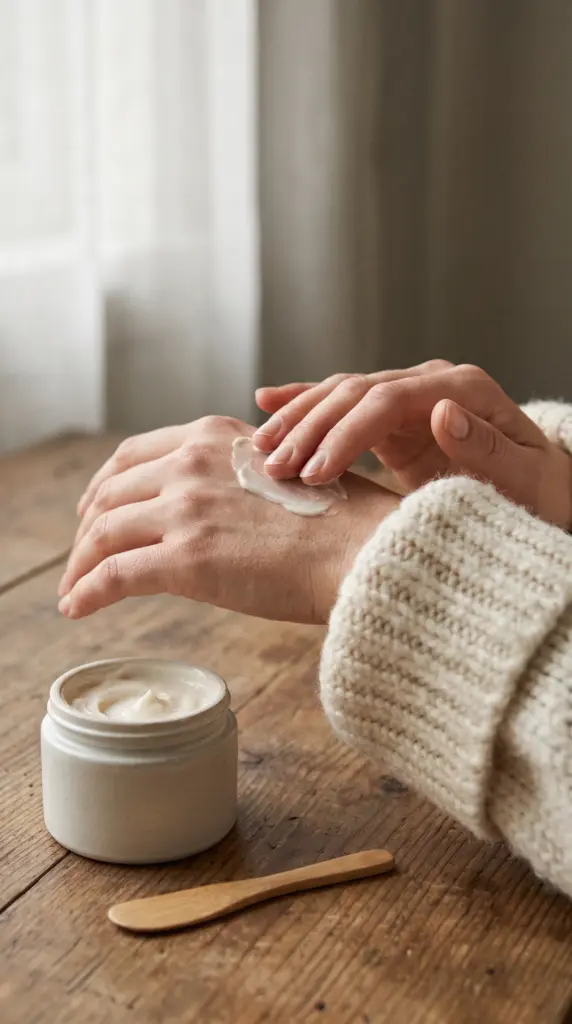
Hands often take a beating during winter. Cold air, low humidity, frequent washing, and indoor heating can leave them dry, rough, or cracked.
Use warm rather than very hot water when washing your hands and choose a gentle cleanser if your skin is easily irritated.
Apply a moisturizer regularly, paying particular attention to the backs of your hands and areas that become rough.
If your hands develop severe cracking, persistent redness, swelling, pain, or signs of infection, seek medical advice rather than treating the problem as ordinary dryness.
10. Keep Your Hair and Scalp Clean

Cold weather does not mean your scalp stops producing oil.
Your ideal hair-washing schedule depends on your hair type, scalp condition, activity level, and personal preference. Some people may need frequent washing, while others can comfortably go longer between washes.
Avoid assuming that less frequent washing is automatically healthier during winter.
At the same time, excessive washing or harsh products can contribute to dryness and irritation. Use a gentle routine that works for your scalp and hair.
Remember to wash items that come into frequent contact with your hair and scalp, such as hats, scarves, and pillowcases.
11. Wash Winter Clothes and Outer Layers Regularly

Heavy winter clothing can stay in contact with your skin for long periods, especially sweaters, jackets, scarves, hats, and gloves.
How often each item needs washing depends on how frequently you wear it, whether it touches your skin directly, and whether it becomes sweaty or dirty.
Underwear and base layers generally need much more frequent washing than outer coats. Items such as scarves, hats, and gloves should also be cleaned regularly when they are worn repeatedly.
Always follow the care instructions on clothing labels so you can clean garments without damaging them.
12. Don’t Reuse Damp Towels

A towel may look clean after one use, but a damp towel can become a suitable environment for microorganisms to multiply if it stays wet for long periods.
Hang your towel so that it can dry completely between uses instead of leaving it bunched up on the floor or over a damp surface.
Wash towels regularly and avoid sharing personal towels.
During winter, when indoor spaces may dry more slowly, giving towels enough ventilation to dry properly becomes especially important.
13. Maintain Good Oral Hygiene

Winter does not give you a break from oral hygiene.
Brush your teeth twice a day using fluoride toothpaste and clean between your teeth regularly with floss or another suitable interdental cleaner.
Remember that oral hygiene is part of personal hygiene even though it does not involve your skin.
Cold weather can also make some people more aware of dry mouth or chapped lips. Staying adequately hydrated and taking care of your lips can help with winter discomfort.
Do you sometimes find it difficult to keep your breath fresh?
Maybe this article is for you:
9 Simple Tips to Keep Your Breath Fresh All Day
14. Practice Proper Intimate Hygiene

Intimate hygiene should remain simple and gentle during winter.
For most people, the external genital area can be cleaned with water and, if needed, a mild unscented cleanser. Avoid aggressive scrubbing and heavily fragranced products that can cause irritation.
15. Keep Up With Hygiene After Exercise

Winter may reduce outdoor activity for some people, but exercise still creates sweat.
If you work out, change out of sweaty clothing afterward rather than remaining in damp layers for hours.
Pay particular attention to your feet, underarms, groin, and other areas where sweat accumulates.
If a full shower is not practical immediately after a workout, changing into clean, dry clothing and washing sweat-prone areas can help until you can bathe.
Don’t let cold weather become an excuse to stay in sweaty workout clothes.
16. Build a Simple Winter Hygiene Routine You Can Actually Maintain

The best winter hygiene routine is not necessarily the longest one. It is the one you can follow consistently.
A simple routine might look like this:
Morning
- Brush your teeth
- Wash your face and other areas that need cleaning
- Apply moisturizer if your skin is dry
- Use deodorant or antiperspirant if desired
- Put on clean underwear and socks
During the day
- Wash your hands regularly
- Change damp clothing when necessary
- Stay hydrated
- Keep an eye on dry or irritated skin
Evening
- Shower or wash according to your needs
- Clean your feet and sweat-prone areas
- Brush your teeth and clean between your teeth
- Moisturize dry skin
- Put damp towels somewhere they can dry properly
You do not have to follow every step rigidly. Adjust the routine according to your skin, activity level, environment, and personal needs.
Winter Hygiene Tips for Men
Men do not need a completely separate hygiene routine for winter, but a few areas deserve particular attention.
Keep the underarms, groin, feet, and other sweat-prone areas clean even when you are not sweating heavily. Change underwear and socks regularly, particularly after exercise.
If you have facial hair, clean your beard or mustache as part of your normal grooming routine and keep the skin underneath clean. Wash hats, scarves, and other items that come into frequent contact with your face and scalp.
If you shave, winter dryness can make irritation more noticeable. Using a gentle shaving routine and moisturizing afterward may help protect the skin.
Winter Feminine Hygiene Tips
Winter does not require complicated changes to feminine hygiene.
Continue normal menstrual hygiene practices and change period products according to their recommended use. Wear clean, breathable underwear and change it whenever it becomes damp or uncomfortable.
The external genital area generally needs gentle cleaning rather than aggressive scrubbing or special fragranced products. Avoid douching or using strongly scented products around the vagina, as these can cause irritation and disrupt the normal vaginal environment.
Cold weather can also make dry skin more noticeable, but avoid applying ordinary fragranced body products to sensitive intimate areas.
Common Winter Hygiene Mistakes to Avoid
Some winter habits can make hygiene and skin care harder rather than easier.
Taking extremely hot, long showers: They may feel comforting, but they can worsen dry skin.
Skipping hygiene completely: Sweating less does not mean sweat, oil, bacteria, and dead skin stop accumulating.
Wearing the same socks or underwear for too long: Multiple layers of winter clothing do not replace regular changes of clothing that touches your skin.
Putting clothes on damp skin: Make sure your body is properly dry, especially your feet and skin folds.
Ignoring towels and winter accessories: Hats, scarves, gloves, and towels can accumulate sweat, skin oils, and microorganisms.
Using too many scented hygiene products: More fragrance does not necessarily mean better hygiene and may irritate sensitive skin.
Scrubbing dry skin aggressively: Gentle cleansing followed by moisturizing is usually more helpful than harsh scrubbing.
A Simple Winter Hygiene Checklist
Use this quick checklist to keep your winter routine on track:
- Shower or bathe according to your personal needs
- Use lukewarm rather than very hot water
- Clean sweat-prone areas regularly
- Change underwear and socks regularly
- Wash and thoroughly dry your feet
- Wash your hands frequently
- Moisturize dry skin
- Keep towels clean and dry
- Wash winter accessories regularly
- Maintain your oral hygiene routine
- Practice gentle intimate hygiene
- Change out of sweaty clothing after exercise
- Keep your hair and scalp clean
- Pay attention to unusual skin or body changes
When Winter Hygiene Problems Need Medical Attention
Not every skin or hygiene problem can be solved by washing more frequently.
Consider speaking with a healthcare professional if you develop persistent itching, unusual rashes, recurring infections, painful or severely cracked skin, unexplained changes in body odor, persistent genital symptoms, or other changes that do not improve with normal hygiene.
Avoid responding to persistent symptoms by repeatedly scrubbing the affected area or using stronger soaps and fragrances. Sometimes excessive cleaning can make irritation worse.
Frequently Asked Questions About Winter Hygiene
How often should you shower in winter?
There is no single ideal shower frequency for everyone. Your activity level, sweating, skin type, environment, and personal needs all matter. If you shower frequently, using lukewarm water and moisturizing afterward can help reduce winter dryness.
Is it okay to shower less often in winter?
Some people may naturally need fewer full showers during cold weather, particularly if they are not sweating or getting dirty. However, regularly cleaning areas such as the underarms, groin, feet, and face remains important.
How do you stay fresh in winter?
Regular bathing, clean underwear and socks, good foot hygiene, washing sweat-prone areas, properly cleaning winter clothing, and using deodorant or antiperspirant when desired can all help you stay fresh during winter.
Is winter hygiene different for men and women?
The fundamentals are mostly the same. Both men and women need regular bathing, clean clothing, hand hygiene, oral hygiene, and appropriate care of sweat-prone areas. Women may have additional menstrual hygiene considerations, while men may have specific grooming or genital-care considerations.
Should you use very hot water in winter?
It is better to use comfortably warm or lukewarm water. Very hot water can remove natural skin oils and may make winter dryness and irritation worse.
How can I prevent body odor in winter?
Wash regularly, pay attention to underarms, feet, and the groin, change underwear and socks, keep your skin dry, and wash clothing that becomes sweaty. Deodorant or antiperspirant can also be used according to its directions.
How can I protect my skin while maintaining good hygiene in winter?
Avoid very hot and excessively long showers, use gentle cleansers, pat your skin dry, and apply moisturizer after bathing. You can maintain good hygiene without aggressively stripping your skin of its natural oils.
Conclusion
Good winter hygiene does not require an elaborate routine or a bathroom full of special products. The fundamentals remain simple: keep your body clean, change damp or dirty clothing, protect your skin from excessive dryness, maintain oral and hand hygiene, and pay attention to areas where sweat and moisture accumulate.
The biggest difference in winter is that cleanliness and skin protection need to work together. Avoiding excessive heat and harsh cleansing can help you stay fresh without making dry winter skin worse.
Choose a simple routine that fits your daily life, follow it consistently, and adjust it when your activity level, skin needs, or environment changes.