
Body odor is normal, but strong or persistent body odor can be frustrating and embarrassing. The good news is that you usually don’t need complicated products or an expensive routine to manage it.
Small everyday habits can make a big difference. Keeping your skin clean, wearing fresh clothes, managing sweat, and paying attention to areas where bacteria can build up can all help reduce body odor.
If you’re wondering how to get rid of body odor naturally or how to prevent body odor throughout the day, start with these 10 simple habits.
1. Shower Regularly

One of the simplest ways to reduce body odor is to wash your body regularly.
Sweat itself doesn’t always have a strong smell. Body odor often develops when bacteria on your skin break down substances in sweat. Washing helps remove sweat, bacteria, oil, and other buildup from your skin.
Pay extra attention to areas that tend to sweat more, such as:
- Armpits
- Groin
- Feet
- Chest and back
- Skin folds
You don’t necessarily need a long shower. A quick, thorough wash can be enough to keep your skin fresh.
If you sweat heavily after exercising or spending time outdoors, showering afterward can also help prevent lingering odors.
2. Wash Your Armpits Thoroughly

Your armpits are one of the most common places for body odor because they contain sweat glands that can contribute to odor when bacteria break down sweat.
When showering, gently wash your armpits with soap and water. Make sure you clean the entire area rather than quickly rinsing it.
If you’re prone to strong underarm odor, don’t simply cover it with deodorant. Cleaning the area first is more effective than putting fragrance over sweat and bacteria.
Keeping your armpits clean and dry throughout the day can make a noticeable difference.
3. Wear Clean Clothes Every Day

Even if your body is clean, worn clothes can contribute to body odor.
Sweat, skin oils, and bacteria can remain in clothing, especially around the armpits, collar, and waistband. Putting on a clean shirt or fresh underwear each day helps prevent those odors from building up.
Change clothes after activities that make you sweat heavily, too.
This is especially important for:
- T-shirts
- Underwear
- Socks
- Workout clothes
- Bras
- Sleepwear
If a shirt still smells after washing, don’t assume your body is the problem. The fabric may still be holding onto sweat and odor.
4. Keep Your Underwear And Socks Fresh

Underwear and socks deserve extra attention because they stay close to areas that naturally produce more sweat.
Change your underwear and socks every day. After exercise or heavy sweating, change them as soon as you can.
For sweaty feet, breathable socks can also help. Avoid staying in damp socks for long periods because moisture creates a comfortable environment for bacteria and fungi.
Keeping your feet clean and completely dry after washing is another simple way to prevent foot odor.
5. Use Deodorant Or Antiperspirant Correctly
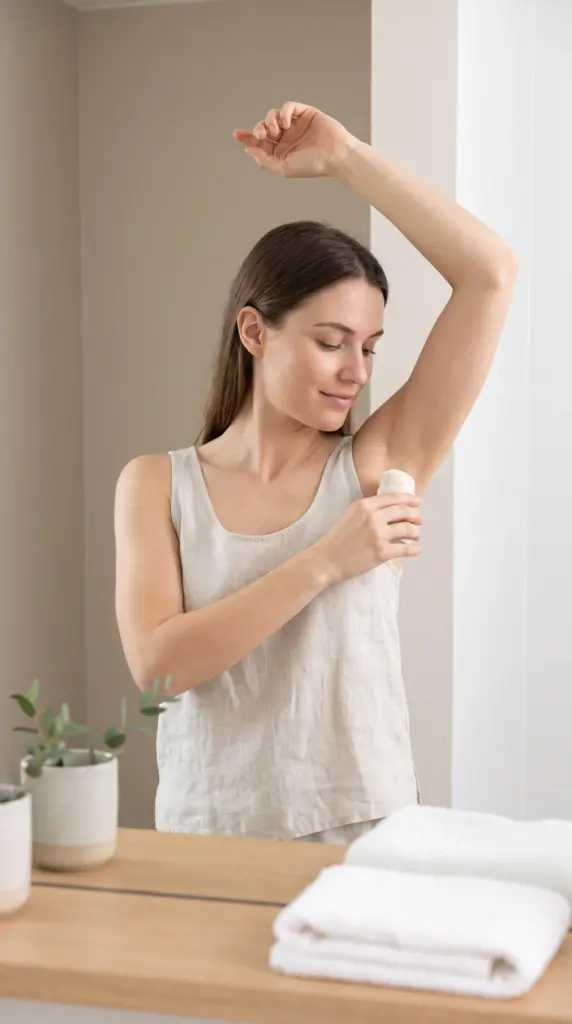
Deodorant and antiperspirant are not exactly the same thing.
Deodorant mainly helps control body odor and may add fragrance.
Antiperspirant helps reduce sweating, usually by temporarily blocking sweat from reaching the skin’s surface.
If sweat is a major cause of your odor, an antiperspirant may be more useful. If sweating isn’t your main issue, deodorant may be enough.
For best results, apply the product to clean, dry skin and follow the instructions on the label.
If a particular product causes burning, itching, or irritation, stop using it and try a gentler option.
6. Keep Your Skin Dry

Moisture can make it easier for bacteria and fungi to thrive, which can contribute to unpleasant smells.
After showering, gently dry areas where moisture tends to remain, including:
- Armpits
- Groin
- Between the toes
- Under skin folds
Don’t rush through drying. A clean towel and a few extra seconds can help keep your skin comfortable and dry.
Wearing loose, breathable clothing can also improve airflow and reduce the amount of moisture trapped against your skin.
7. Take Care Of Your Feet

Feet can produce a surprising amount of sweat, making foot odor a common problem.
Wash your feet regularly and dry them carefully, especially between your toes. Change your socks every day and after heavy sweating.
Your shoes matter, too. Wearing the same pair every day without giving them time to dry can allow moisture and odor to build up.
When possible, rotate your shoes and allow them to air out between uses.
If your feet are constantly sweaty or have a strong odor despite good hygiene, it’s worth talking with a healthcare professional.
Tired of your foot odor? We have an easy-to-follow guide for you:
10 Ways to Get Rid of Stinky Feet and Prevent Foot Odor
8. Wash Your Towels And Bedding Regularly

Your hygiene routine doesn’t stop with your body. Towels, pillowcases, bedsheets, and other fabrics can collect sweat, skin oils, and bacteria over time.
Using a damp or dirty towel after a shower can work against your efforts to stay fresh.
Wash towels regularly and let them dry completely between uses. Change your clothes and bedding regularly as well, especially if you sweat heavily at night.
A clean body plus clean fabrics makes it much easier to stay fresh throughout the day.
9. Stay Hydrated And Pay Attention To Your Diet

What you eat isn’t usually the main cause of body odor, but certain foods and drinks can affect how you smell.
Some people notice stronger body odor after consuming foods such as garlic, onions, or very spicy foods. Alcohol can also affect body odor in some people.
You don’t need to eliminate these foods automatically. Instead, pay attention to patterns.
If you notice that a particular food consistently seems to make your body odor stronger, you can reduce it and see whether anything changes.
Staying hydrated is also a good everyday habit. Water supports normal body functions and can help replace fluids lost through sweating.
10. Don’t Ignore Sudden Or Persistent Body Odor

Sometimes body odor is simply related to sweat, clothing, or everyday hygiene. But a sudden or unusually strong change in your body odor shouldn’t always be dismissed.
If you’ve improved your hygiene and still have persistent body odor, consider talking with a healthcare professional.
It’s particularly worth getting checked if the odor:
- Appears suddenly without an obvious reason
- Changes significantly from your usual body odor
- Comes with excessive sweating
- Is accompanied by skin changes, pain, itching, or other symptoms
- Doesn’t improve despite good hygiene
Certain medical conditions, medications, infections, and changes in the body can sometimes affect sweating or body odor.
A Simple Daily Routine To Prevent Body Odor
You don’t need a complicated routine to stay fresh. A simple daily routine can look like this:
Morning: Shower or wash sweaty areas, dry your skin thoroughly, and apply deodorant or antiperspirant if you use one. Put on clean underwear, socks, and clothes.
During the day: Change sweaty clothes when possible and drink enough water. If you exercise, shower or wash up afterward.
Evening: Wash your body after a sweaty day, clean your feet, and put on fresh sleepwear if needed.
The key is consistency. A few simple habits done every day are usually more useful than occasionally using a strong product.
How To Get Rid Of Body Odor Naturally
If you prefer a more natural approach, focus first on basic hygiene rather than looking for a special body odor remedy.
Regular washing, clean clothes, dry skin, breathable fabrics, clean shoes, and good foot care can go a long way.
You can also pay attention to foods that seem to affect your personal body odor. However, be careful with homemade remedies that involve harsh ingredients. Things like strong acids or irritating substances can damage your skin, especially on sensitive areas such as the armpits.
Natural doesn’t always mean gentle or safe for your skin.
The Bottom Line
Knowing how to get rid of body odor doesn’t have to mean buying lots of products or following a complicated routine.
Start with the basics: wash regularly, clean your armpits and feet, wear fresh clothes, keep your skin dry, and take care of your shoes and towels. Deodorant or antiperspirant can then be added if you need extra odor or sweat control.
Most importantly, remember that some body odor is completely normal. The goal isn’t to smell like perfume all day. It’s simply to keep your body clean, comfortable, and fresh.
If your body odor suddenly changes or remains unusually strong despite good hygiene, don’t ignore it. A healthcare professional can help determine whether there’s an underlying reason.