15 Best Plant-Based Protein Sources
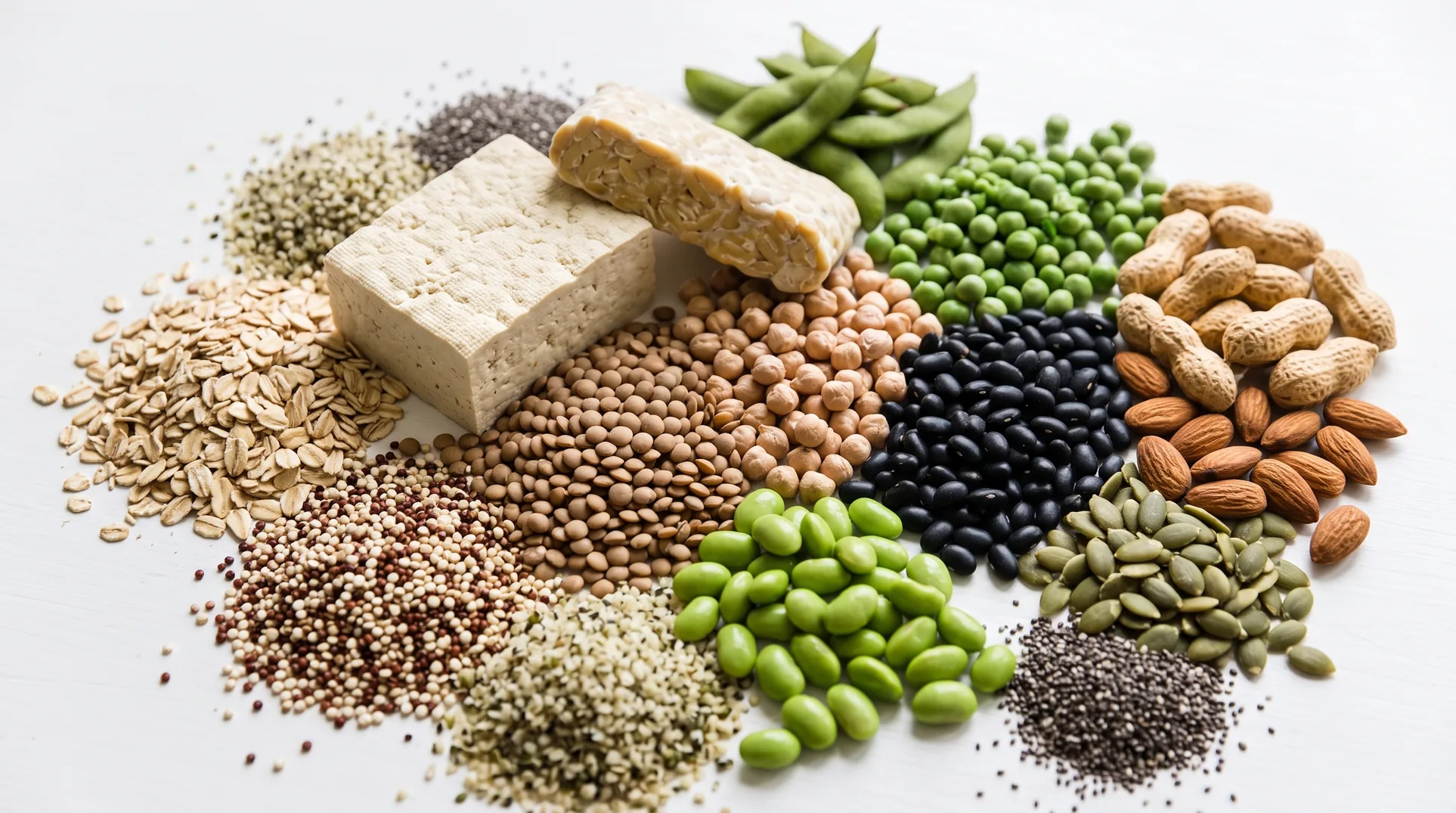
Getting enough protein on a plant-based diet is easier than we think. There are plenty of plant-based protein sources that can help us meet our daily needs while adding variety to our meals. From beans and lentils to seeds, nuts, and soy foods, we have plenty of options.
The following list shows you the best sources of plant-based protein that can help you prepare a healthy and balanced diet without the need for animal protein.
1. Lentils
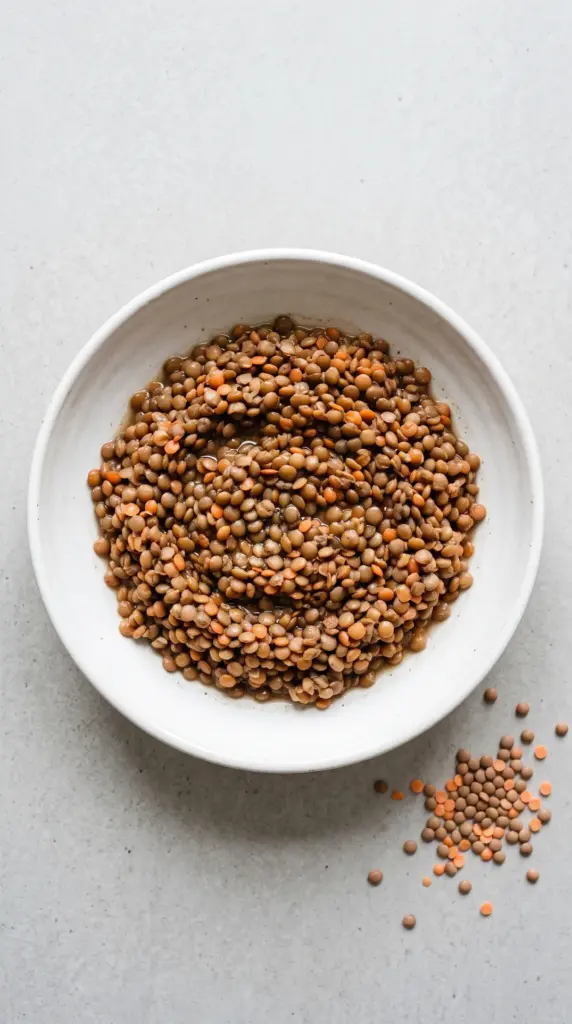
Lentils are one of the easiest plant-based protein sources to add to your diet. They are inexpensive, easy to cook, and work well in many different meals.
You can add them to soups, curries, salads, or grain bowls. Red lentils also cook quickly, which makes them especially handy when you want a simple meal.
2. Chickpeas
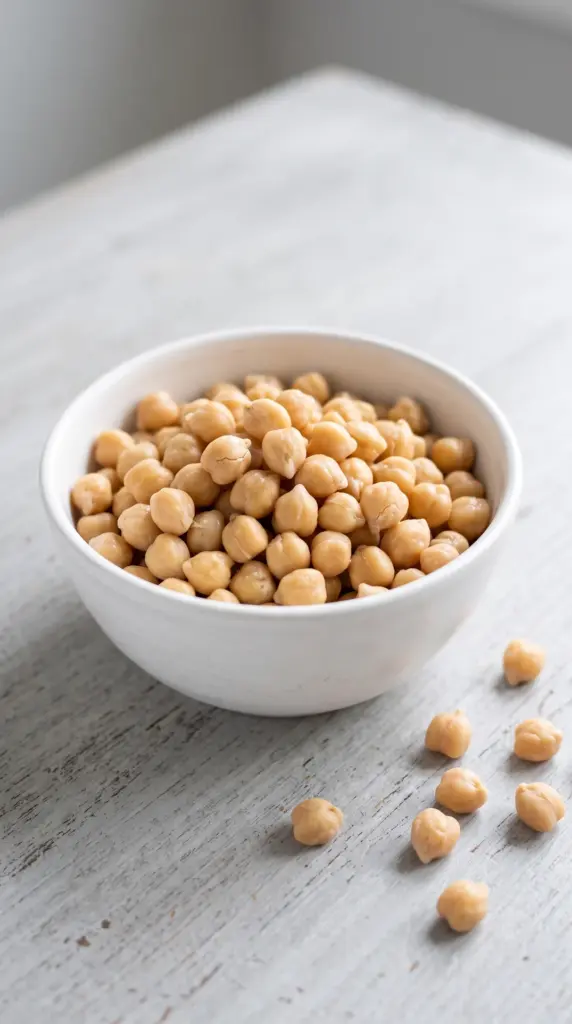
Chickpeas are another versatile option. You can use them in everything from hummus and salads to curries and roasted snacks.
They also provide fiber, which can help make a meal more filling. Keep canned chickpeas in your pantry for an easy protein boost when you don’t have much time to cook.
3. Beans
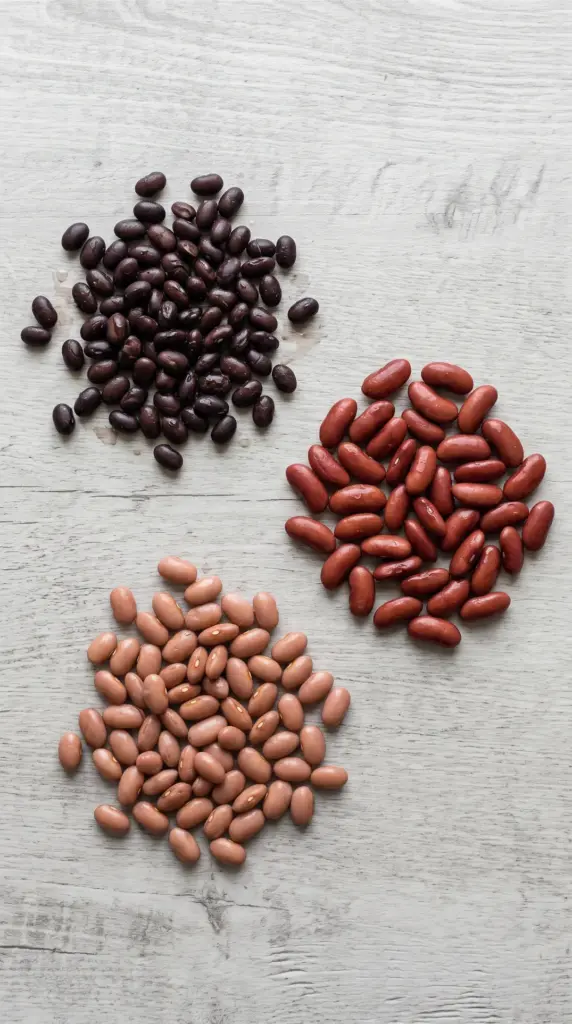
Black beans, kidney beans, pinto beans, and other varieties can all contribute a good amount of protein to your meals.
Try adding beans to tacos, rice bowls, soups, salads, or chili. You don’t need to stick to one variety. Switching between different types can keep your meals more interesting.
4. Tofu
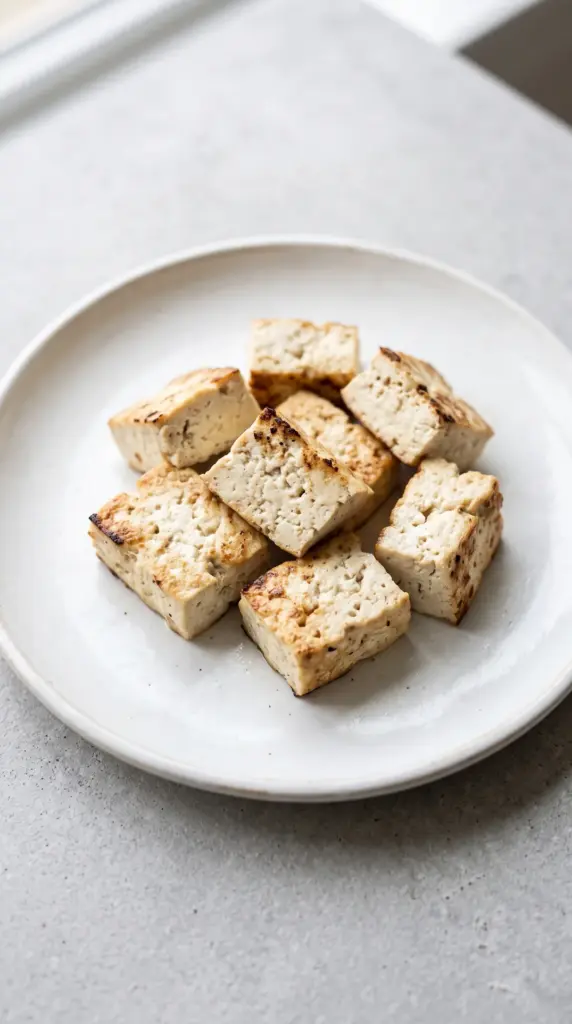
Tofu is made from soybeans and is one of the most useful plant-based protein foods.
It has a mild flavor, so it can take on the taste of whatever you cook it with. You can pan-fry it, bake it, scramble it, or add it to stir-fries and soups.
5. Tempeh
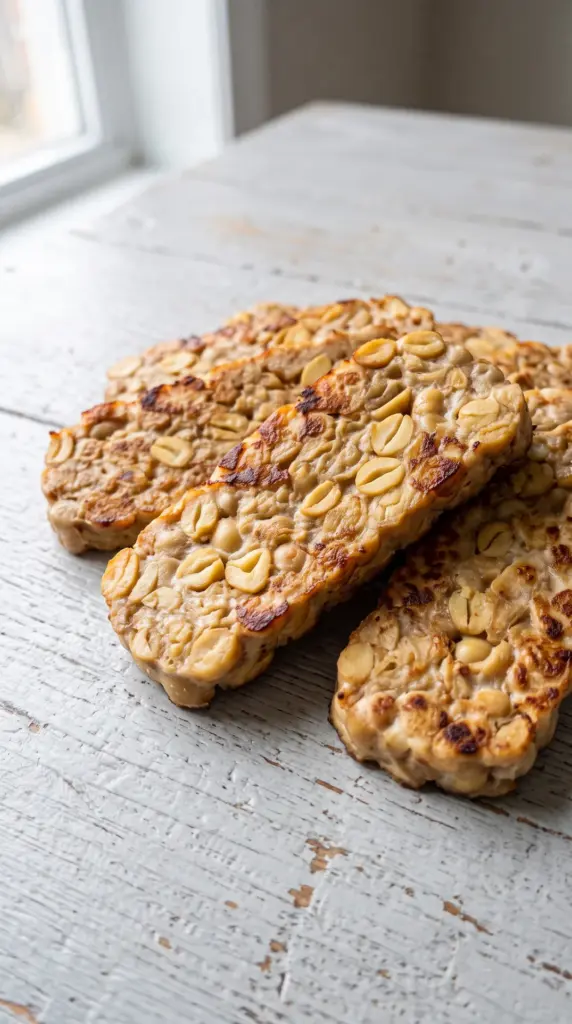
Tempeh is another soy-based food, but it has a firmer texture and a stronger, nuttier flavor than tofu.
It works particularly well when sliced and cooked in a pan or baked until browned. You can add it to sandwiches, grain bowls, stir-fries, and salads.
6. Edamame
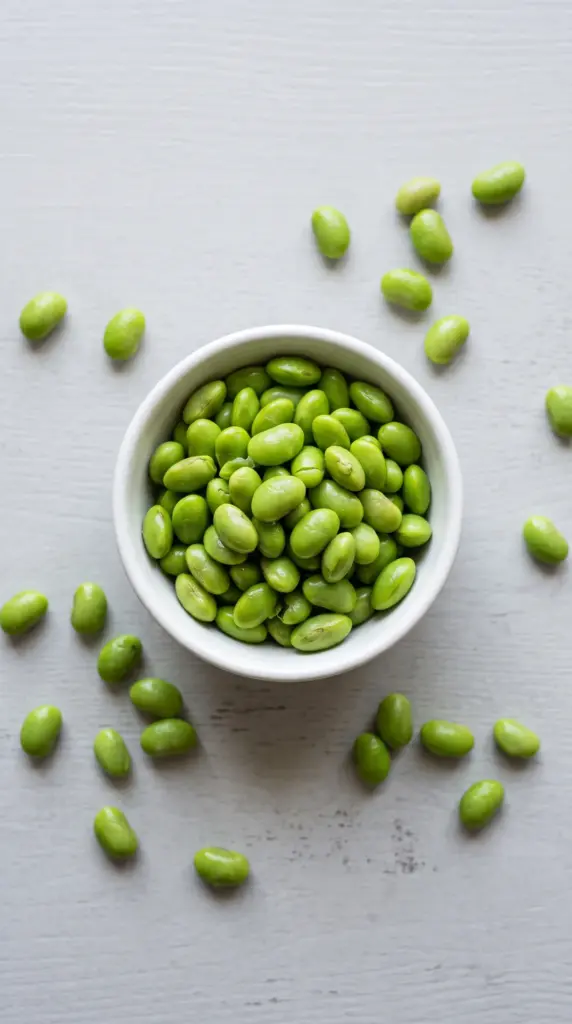
Edamame are young soybeans that are usually eaten while still green. They are an easy way to add protein to a meal or snack.
You can eat them on their own, add them to salads, or mix them into rice and noodle dishes. Frozen edamame is especially convenient to keep on hand.
7. Seitan
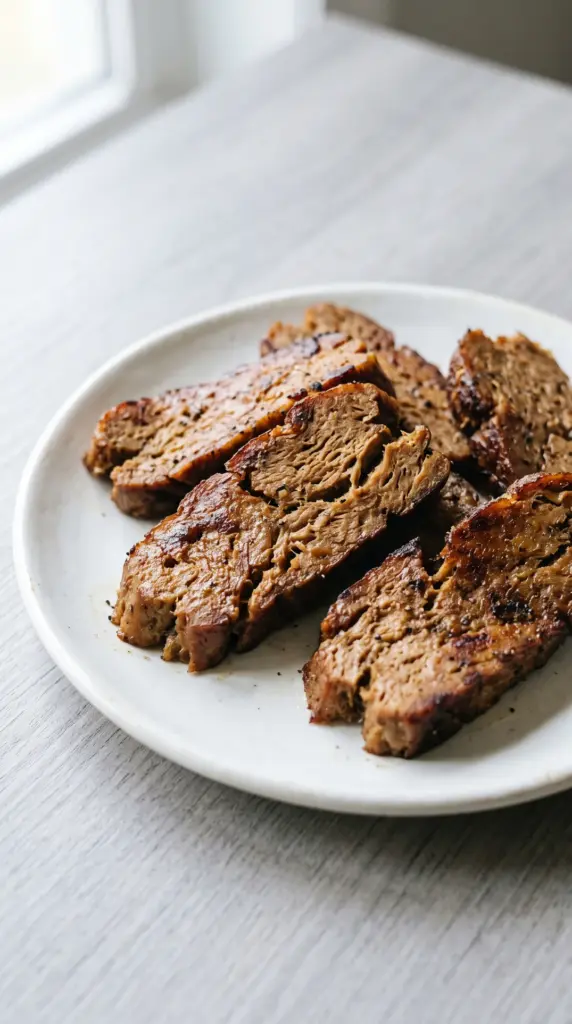
Seitan is made primarily from wheat gluten and has a firm, chewy texture. It is one of the more protein-dense plant foods.
You can use it in place of meat in sandwiches, wraps, stir-fries, and other savory dishes. However, it is not suitable for people who need to avoid gluten.
8. Peas
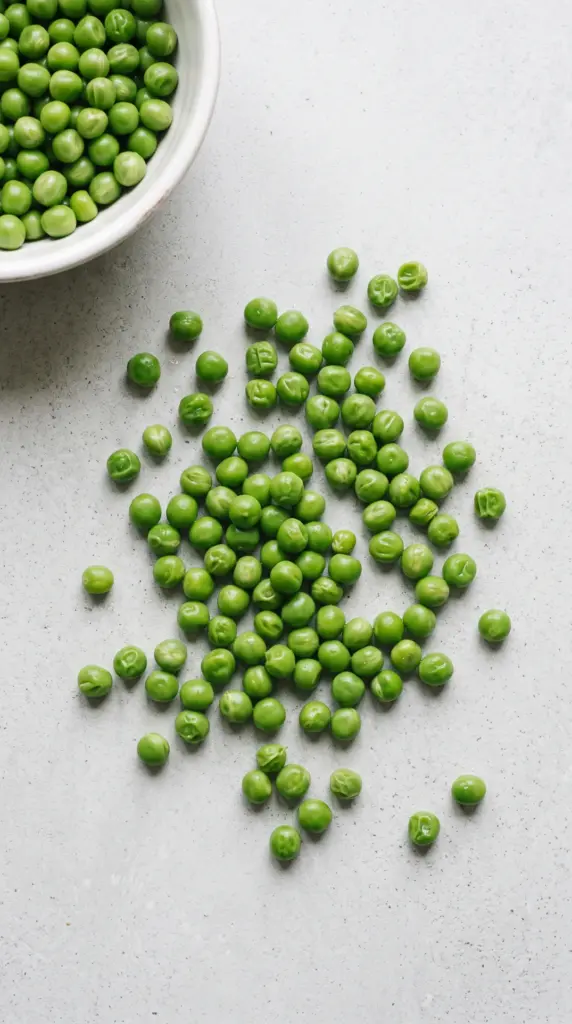
Peas may be small, but they can still contribute useful amounts of protein to your meals.
Frozen peas are particularly convenient because they can go straight into soups, curries, pasta, rice dishes, and stir-fries. They are an easy way to add more nutrition without much extra preparation.
9. Peanuts
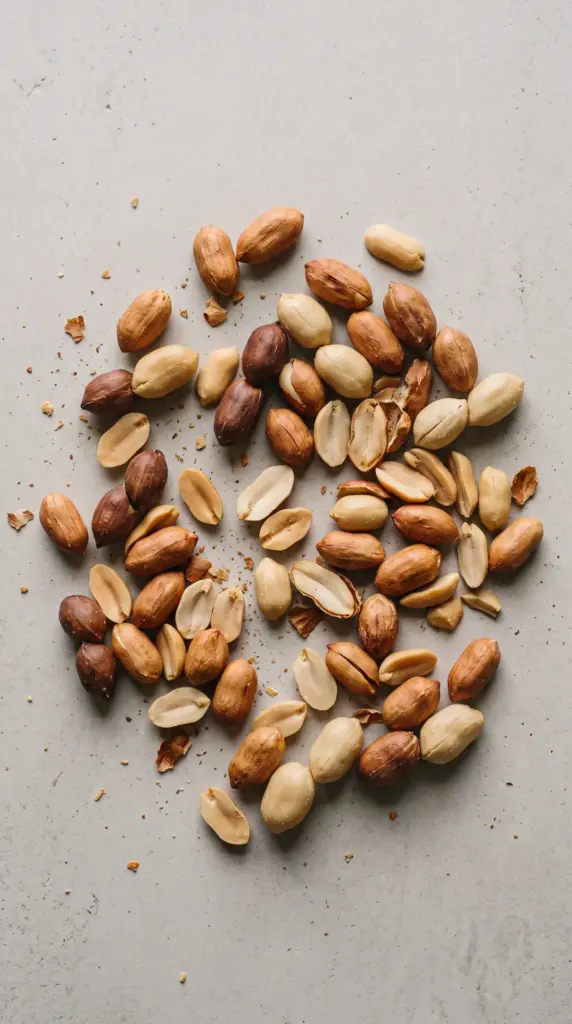
Peanuts are technically legumes rather than nuts, and they are a simple way to add plant protein to your diet.
Try peanut butter on whole-grain toast, mixed into oatmeal, or added to smoothies. You can also use peanuts in savory dishes such as stir-fries and noodle bowls.
Because peanut butter is calorie-dense, a little can go a long way.
10. Pumpkin Seeds
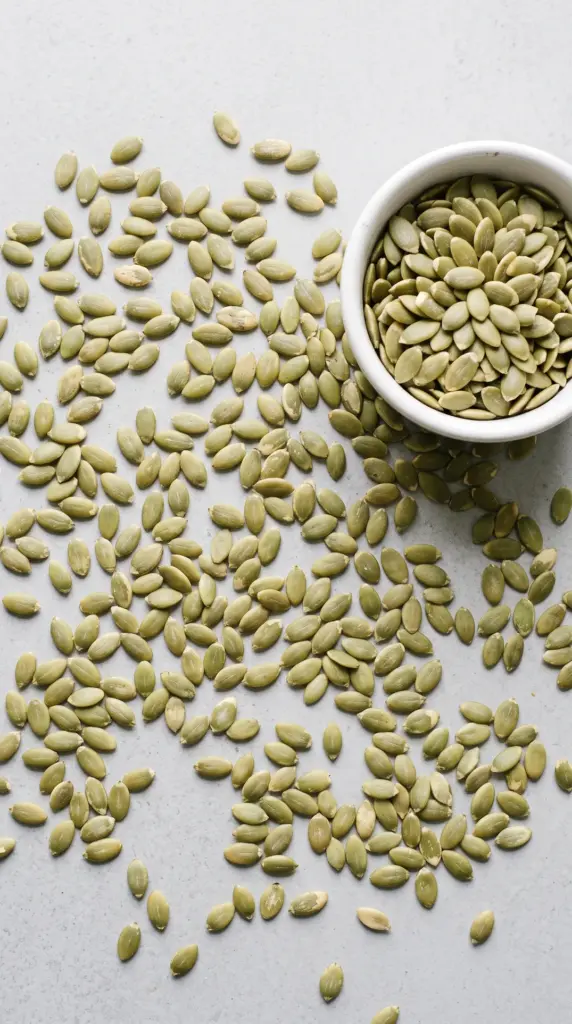
Pumpkin seeds are a convenient source of plant protein and can add a pleasant crunch to meals.
Sprinkle them over oatmeal, yogurt, salads, soups, or grain bowls. You can also eat them as a simple snack.
11. Hemp Seeds
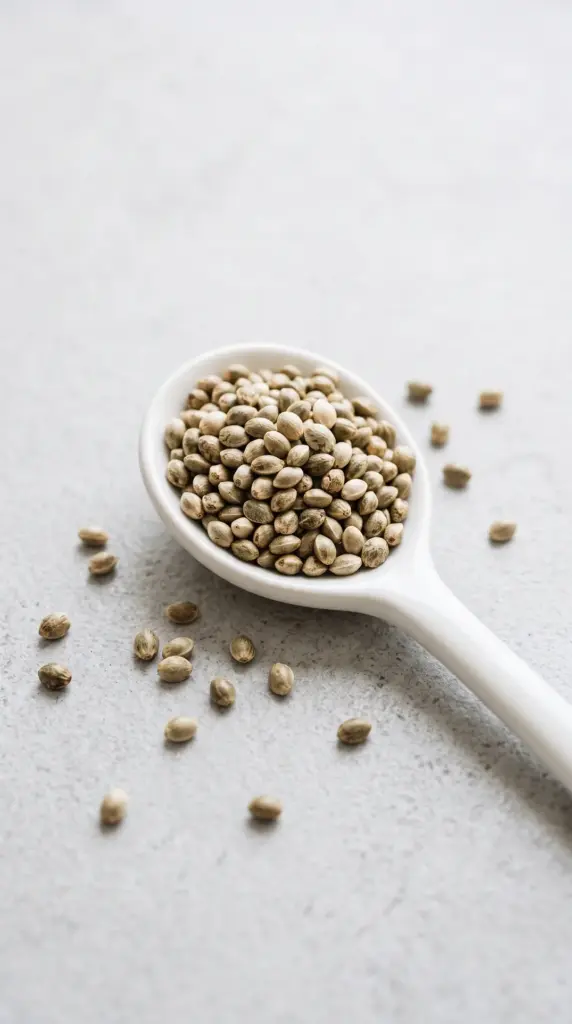
Hemp seeds are small and soft, so they are easy to add to foods without changing the texture very much.
Try mixing them into oatmeal, smoothies, yogurt, or salads. They can be especially useful when you want to increase the protein content of a meal without adding much cooking time.
12. Chia Seeds
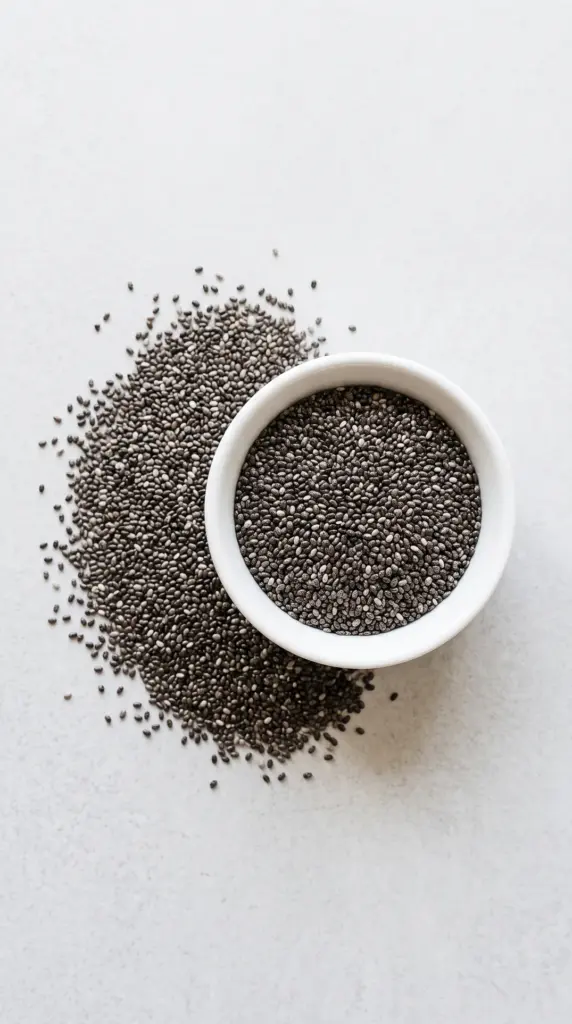
Chia seeds are better known for their fiber content, but they also provide some protein.
They are easy to add to oatmeal, smoothies, overnight oats, or chia pudding. Since they absorb liquid and swell, they can also add texture and make some meals more filling.
13. Quinoa
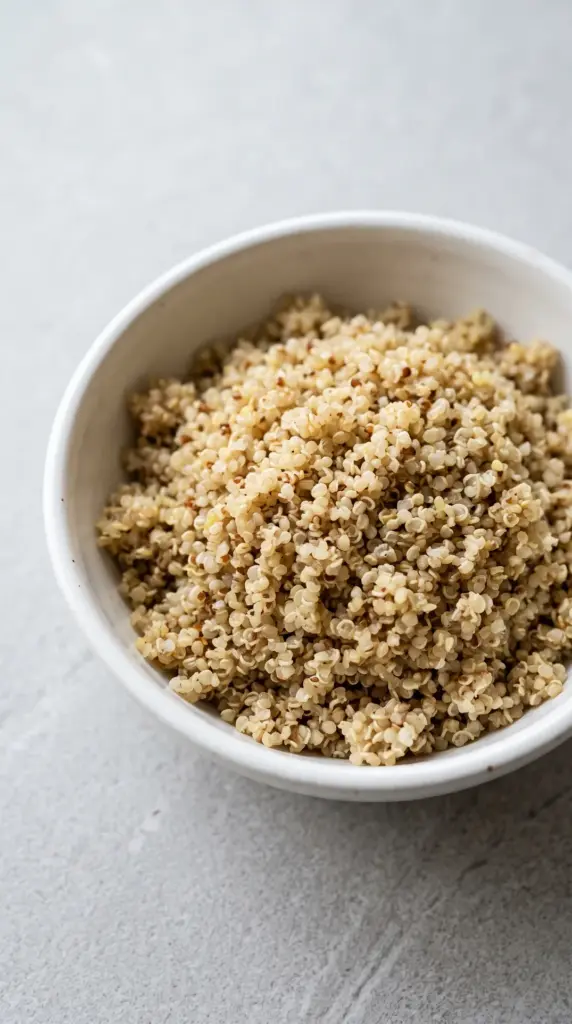
Quinoa is a grain-like seed that can be used in many of the same ways as rice or other grains.
Use it as the base of a grain bowl, add it to salads, or serve it alongside vegetables and beans. It can also help add variety to meals that already contain other plant protein sources.
14. Oats
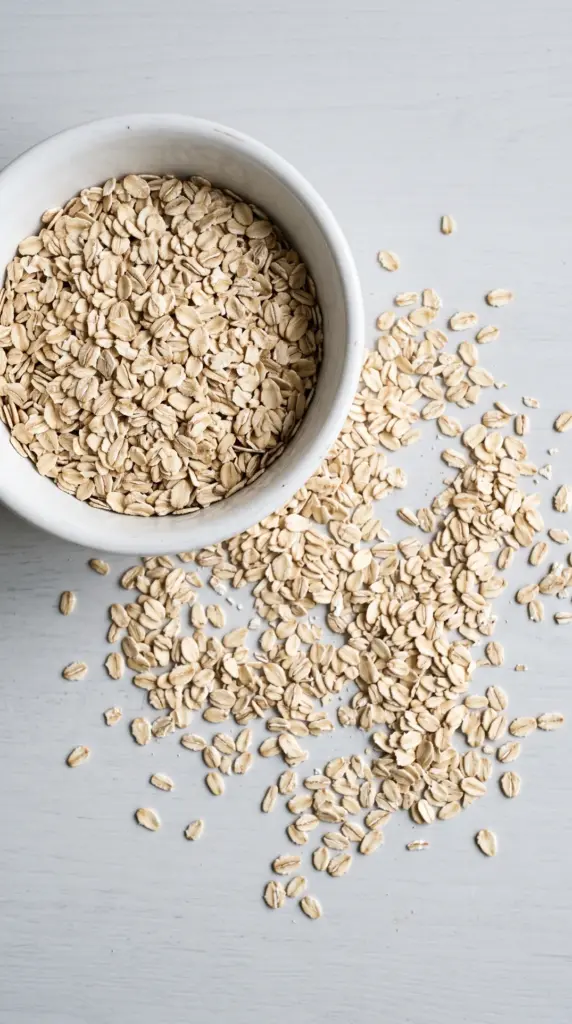
Oats are not usually the first food people think of when they hear “protein,” but they can make a useful contribution to your daily intake.
A bowl of oatmeal becomes a more protein-rich breakfast when you combine oats with foods such as soy milk, peanut butter, hemp seeds, chia seeds, or nuts.
This is a good example of how combining several foods can make a meal more substantial.
15. Nutritional Yeast
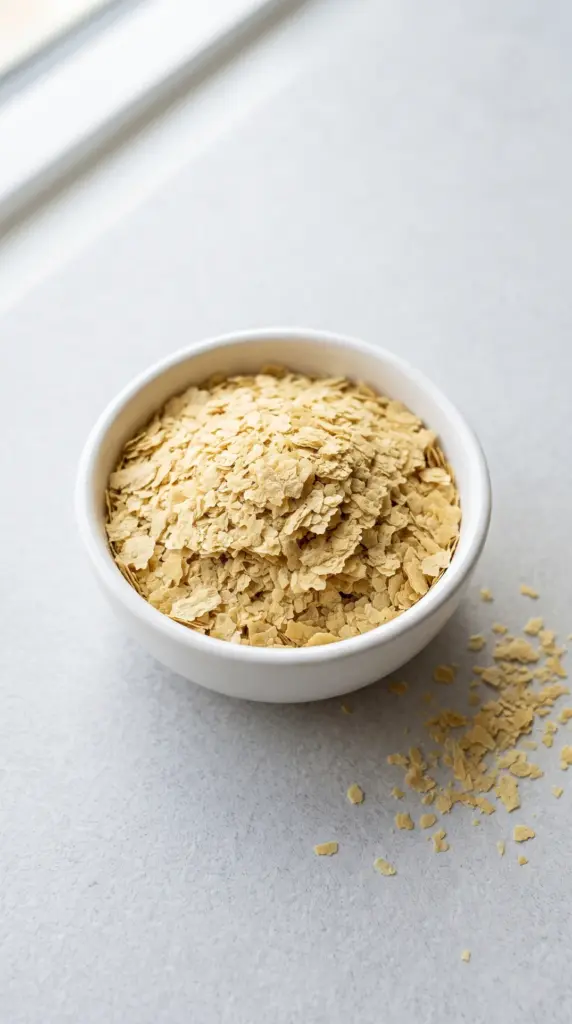
Nutritional yeast is a simple way to add extra protein and a savory, cheesy flavor to meals.
Sprinkle it over pasta, popcorn, roasted vegetables, potatoes, or grain bowls. You can also use it in sauces and dressings.
It is more of a supporting ingredient than the main protein source in a meal, but it can still be a useful addition.
What to Remember
There are a surprisingly decent number of good plant-based protein sources that you can choose from. Lentils, beans, chickpeas, soy foods, seeds, nuts, grains, and other plant foods can all have a place in a balanced diet.
And for the same reason, you don’t need to eat the same foods every day, either. You can mix and match different options based on what you enjoy and what fits your meals, so that you don’t get bored quickly.
Try to get the foods that are available near you, maybe local shops and groceries. That will help you stay motivated for longer. Don’t chase the ones that are hard to get.
So if you’re trying to get more protein from plants, start with a few foods you already like. Add them to your regular meals, and build from there.