8 Benefits of Eating Bananas, Plus Nutrition Facts and Key Vitamins
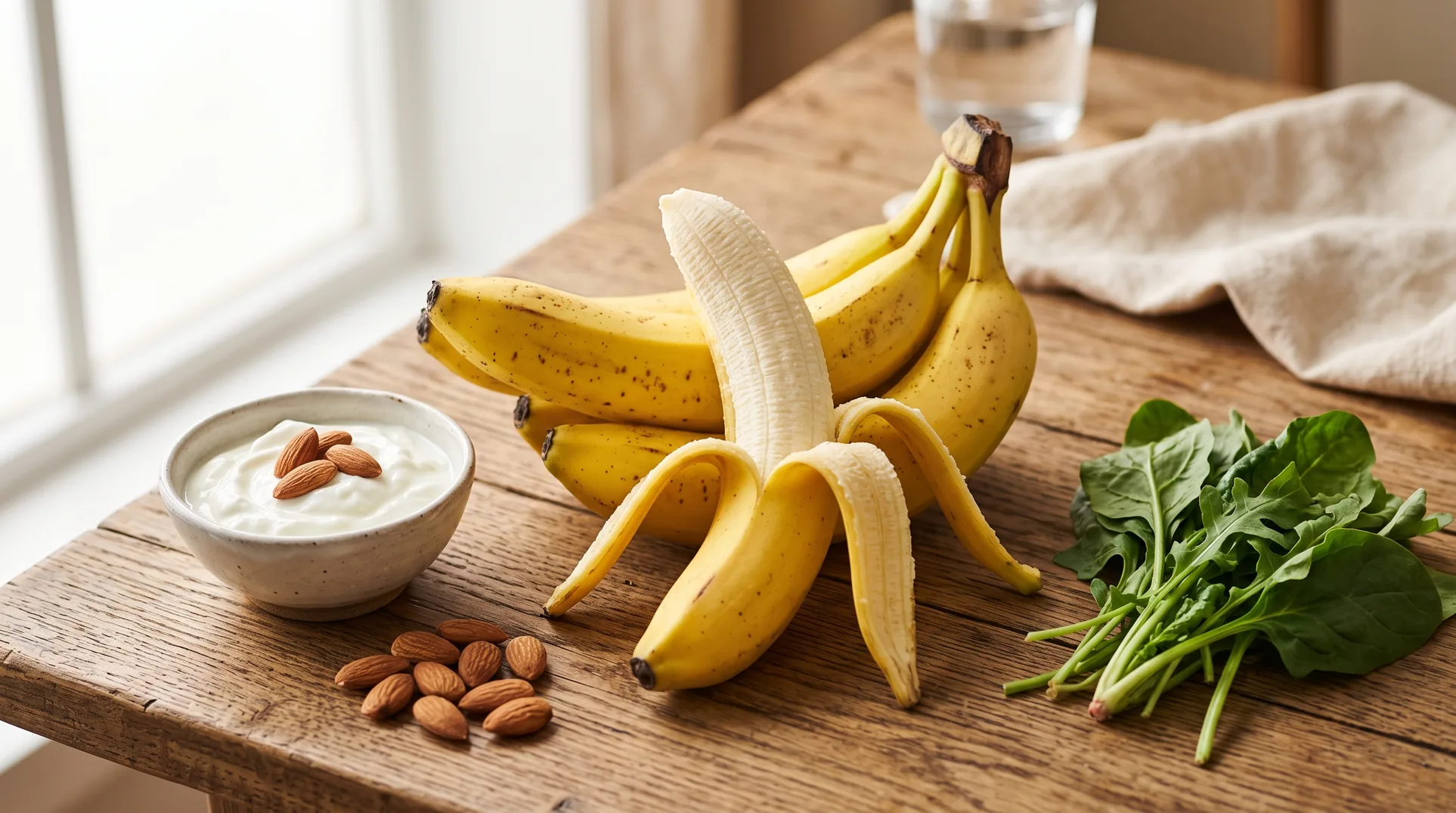
If you’re wondering what bananas help with, they can be a simple way to add useful nutrients to your diet. Bananas provide carbohydrates, fiber, potassium, vitamin B6, and other nutrients. They’re also easy to find, inexpensive, and convenient to eat.
But there’s more to bananas than a quick snack. Depending on how you eat them and how ripe they are, bananas can fit into breakfast, snacks, smoothies, and even meals.
Here are eight reasons bananas can be a useful part of a balanced diet, followed by a closer look at their nutrition and key vitamins.
1. They Provide Quick, Convenient Energy

Bananas are a good source of carbohydrates, which your body uses for energy. This makes them a practical choice when you want something quick before a workout, during a busy morning, or as an afternoon snack.
A medium banana provides roughly 27 grams of carbohydrates. Some of those carbohydrates come from natural sugars, while the rest come from starch and fiber.
Because bananas come in their own natural packaging, they also make an easy grab-and-go option when you don’t have time to prepare a meal.
2. They Add Potassium To Your Diet
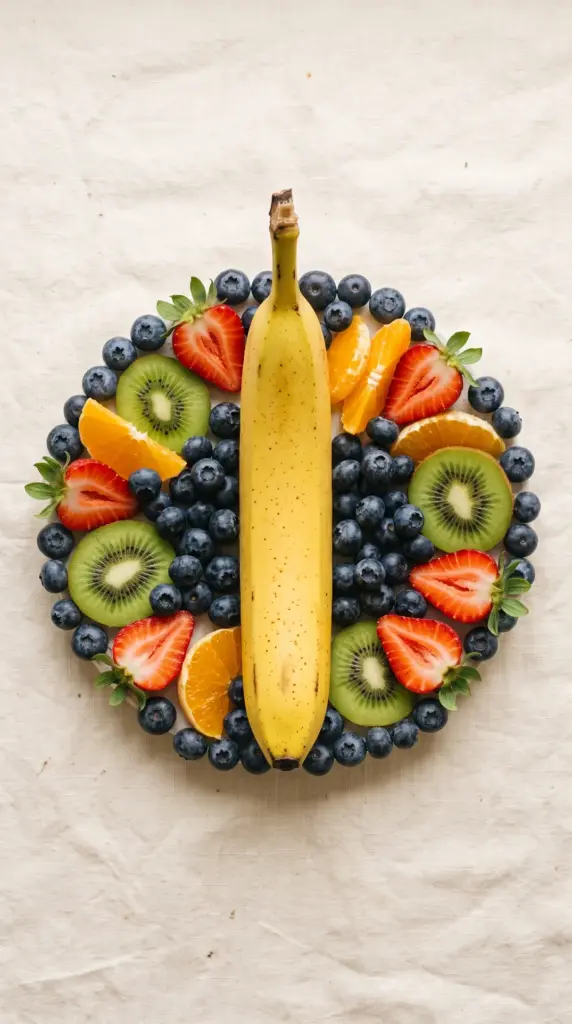
One of the best-known nutrients in bananas is potassium.
Potassium is an essential mineral that helps your muscles contract, supports normal nerve function, and helps maintain normal fluid balance in the body.
A medium banana provides around 420 mg of potassium. That’s a useful amount, although bananas aren’t the only good source. Potatoes, beans, leafy greens, yogurt, and several other foods also provide potassium.
Eating bananas can therefore be one simple way to add more potassium to an overall varied diet.
3. They Provide Fiber For Digestive Health

Bananas contain dietary fiber, which is important for normal digestion.
A medium banana provides about 3 grams of fiber. Fiber can help add bulk to stool and support regular bowel movements. It can also help you feel satisfied after eating.
The type of banana matters, too. Less-ripe bananas contain more resistant starch, a type of carbohydrate that isn’t digested in the same way as ordinary starch. Resistant starch can reach the large intestine, where certain gut bacteria can use it.
As bananas ripen, some of that resistant starch changes into simpler sugars, which is one reason ripe bananas taste sweeter.
4. They Provide Vitamin B6
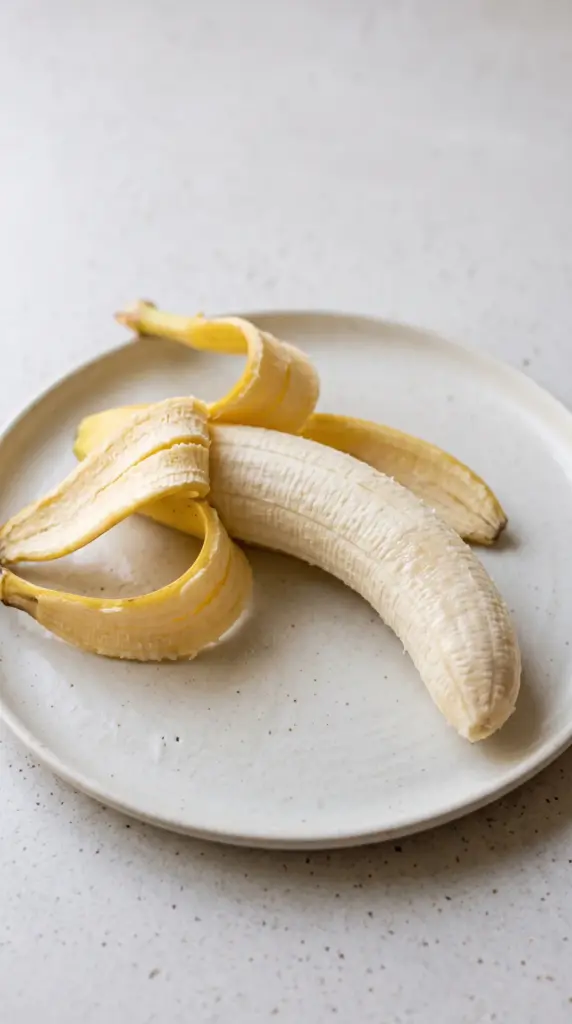
Bananas are a useful source of vitamin B6.
Vitamin B6 is involved in several important processes in the body, including normal protein metabolism and the production of neurotransmitters. It also helps the body make hemoglobin, the protein in red blood cells that carries oxygen.
A medium banana provides around 0.4 mg of vitamin B6, making it a convenient food source of this vitamin.
You don’t need to eat bananas specifically to get vitamin B6, though. Poultry, fish, potatoes, chickpeas, and other foods provide it as well.
5. They Add Vitamin C And Other Antioxidant Compounds
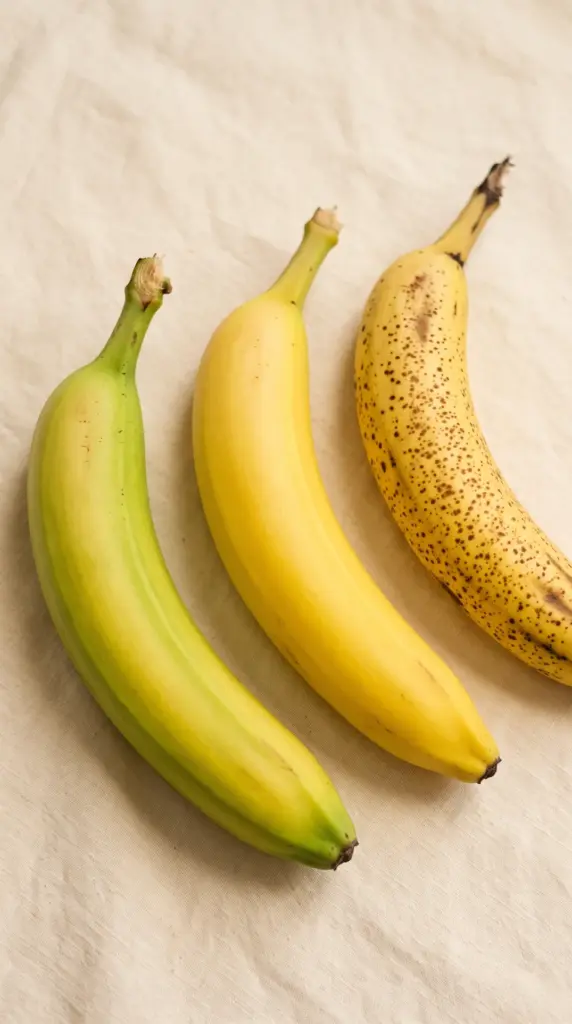
Bananas aren’t particularly high in vitamin C compared with foods such as oranges or strawberries, but they still provide some.
Vitamin C helps support normal immune function and also acts as an antioxidant. Antioxidants help protect cells from damage caused by free radicals.
Bananas also contain several plant compounds, including antioxidant compounds that contribute to the fruit’s overall nutritional value.
So while a banana shouldn’t replace a variety of fruits and vegetables, it can still contribute useful nutrients to your daily diet.
6. They Can Help You Feel Full Between Meals

A banana can be a satisfying snack, especially when paired with another food that provides protein or healthy fats.
The fiber in bananas contributes to fullness, while their carbohydrates provide energy. For a more substantial snack, you could pair a banana with Greek yogurt, peanut butter, nuts, or another protein-rich food.
This can be more filling than eating a banana by itself and may work well when you need something between meals.
7. They Are Easy To Add To Balanced Meals

One of the biggest benefits of bananas is simply how easy they are to use.
You can eat one on its own, slice it over oatmeal, blend it into a smoothie, or add it to plain yogurt. Mashed bananas can also add natural sweetness to some baked foods.
This convenience can make it easier to include fruit in your regular eating routine.
And because bananas are portable and don’t require cutting or cooking, they’re especially useful when you need a quick option away from home.
8. They Can Be A Useful Food Around Exercise

Bananas are popular among active people for a simple reason: they provide carbohydrates in an easy-to-eat form.
Eating carbohydrate-containing foods before exercise can provide fuel for physical activity. A banana can work well before a workout when you want something light and convenient.
It can also be useful after exercise when combined with a source of protein. For example, a banana with Greek yogurt or a smoothie containing milk or yogurt can provide both carbohydrates and protein.
The best timing and amount depend on the type and length of your workout, as well as your overall diet.
Banana Nutrition Facts
Bananas are mostly water and carbohydrates, with smaller amounts of fiber, protein, and fat.
Here is an approximate nutrition profile for one medium banana, weighing about 118 grams:
| Nutrient | Amount |
|---|---|
| Calories | 105 |
| Carbohydrates | 27 g |
| Fiber | 3.1 g |
| Protein | 1.3 g |
| Fat | 0.4 g |
| Potassium | 422 mg |
| Vitamin C | 10.3 mg |
| Vitamin B6 | 0.4 mg |
| Magnesium | 32 mg |
| Folate | 24 mcg |
These numbers can vary slightly depending on the size and ripeness of the banana.
Bananas also contain small amounts of several other nutrients and plant compounds. Their overall nutritional value is one reason they can fit easily into a balanced diet.
What Vitamins Are In A Banana?
If you’re specifically looking at the vitamins in a banana, vitamin B6 and vitamin C are two of the main ones.
Vitamin B6 is particularly notable because a medium banana provides a meaningful amount of it. Bananas also provide smaller amounts of folate and other micronutrients.
It’s worth remembering that no single fruit provides every vitamin your body needs. Eating a variety of fruits, vegetables, whole grains, legumes, nuts, seeds, and protein-rich foods is a better way to cover your nutritional needs.
Does Banana Ripeness Change Its Nutrition?
Yes, ripeness changes the type of carbohydrate found in a banana.
A less-ripe banana contains more starch, including resistant starch. As the banana ripens, enzymes break down much of that starch into simpler sugars. That’s why ripe bananas become softer and sweeter.
The total nutrition doesn’t suddenly disappear as a banana ripens, but its carbohydrate composition changes.
If you prefer a sweeter banana, a fully ripe one may be more appealing. If you like a firmer texture and want more resistant starch, you may prefer a less-ripe banana.
Easy Ways To Eat More Bananas
You don’t need complicated recipes to include bananas in your diet.
Try adding sliced banana to oatmeal, plain yogurt, or whole-grain toast with peanut butter. You can also blend one into a smoothie or simply keep a few on hand for a quick snack.
If a bunch of bananas becomes too ripe before you can eat them, peel and freeze them. Frozen bananas work especially well in smoothies.
The goal isn’t to eat bananas at every meal. They’re simply one convenient fruit that can be rotated with other fruits as part of a varied diet.
The Takeaway
Bananas are an easy, affordable fruit that provides carbohydrates, fiber, potassium, vitamin B6, vitamin C, and several other nutrients.
Their biggest advantage may be how simple they are to eat. You can grab one on the way out the door, add it to breakfast, or pair it with protein for a more filling snack.
They aren’t a miracle food, and you don’t need bananas specifically to have a healthy diet. But if you enjoy them, there’s plenty of room for them in a balanced eating pattern.