10 Kegel Exercises for Beginners (Step-by-Step Guide)
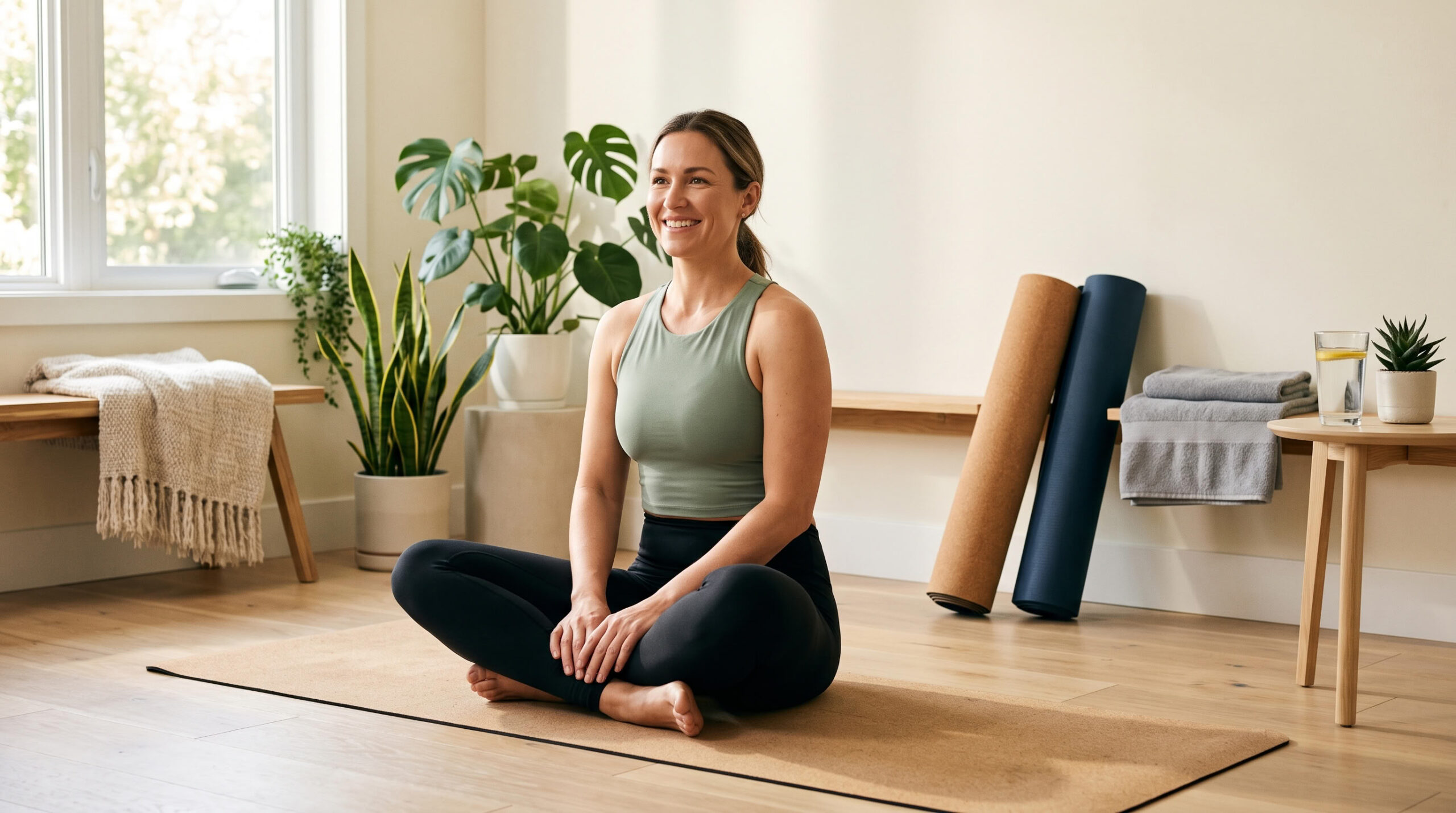
Pelvic floor muscles play an important role in supporting your bladder, bowel, and reproductive organs. When these muscles become weak, you may notice urine leaks, reduced core stability, or less control during daily activities.
The good news is that Kegel exercises are simple, require no equipment, and can be done almost anywhere. Whether you’re looking to improve bladder control, recover after pregnancy, or strengthen your pelvic floor, this guide will show you exactly how to do them.
In this beginner-friendly guide, you’ll learn 10 easy Kegel exercises step by step, along with helpful tips, a simple routine, and common mistakes to avoid.
What Are Kegel Exercises?
Kegel exercises are gentle contractions of your pelvic floor muscles. These muscles form a hammock-like support at the bottom of your pelvis and help control your bladder and bowel while supporting nearby organs.
Many people think these exercises are only for women, but Kegel exercises for men and women can both provide excellent results. They are commonly recommended after childbirth, prostate surgery, or when dealing with bladder control issues.
Kegel Exercise Benefits
Practising regularly can provide several health benefits, including:
- Better bladder control
- Reduced urine leakage
- Stronger pelvic floor muscles
- Improved recovery after pregnancy
- Better support for pelvic organs
- Increased core stability
- Improved bowel control
- Better sexual health for many men and women
Like any muscle, the pelvic floor becomes stronger with regular training.
How To Find Your Pelvic Floor Muscles
Before starting any exercise, it’s important to identify the correct muscles.
Try these simple methods:
- Imagine you’re trying to stop passing urine midway (don’t make this a regular habit).
- Imagine you’re trying to stop passing gas.
- You should feel a gentle lifting sensation inside your pelvis without tightening your stomach, thighs, or buttocks.
Once you can find these muscles easily, you’re ready to begin.
10 Kegel Exercises Step By Step
1. Basic Slow Kegel Hold
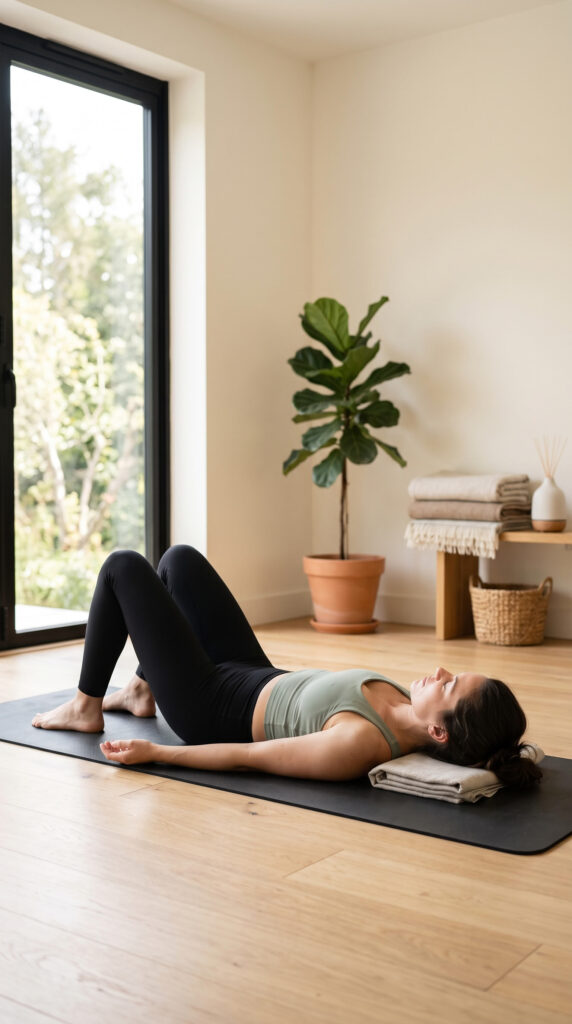
This is the foundation for every beginner.
Steps:
- Lie on your back with your knees bent.
- Relax your body.
- Tighten your pelvic floor muscles.
- Hold for 3–5 seconds.
- Relax completely for 5 seconds.
- Repeat 10 times.
2. Quick Kegel Squeezes
These help improve fast muscle responses during coughing or sneezing.
Steps:
- Tighten your pelvic floor muscles quickly.
- Hold for one second.
- Relax immediately.
- Repeat 10–15 times.
3. Long Hold Kegels
Long holds build endurance.
Steps:
- Tighten your pelvic floor.
- Hold for 8–10 seconds.
- Breathe normally.
- Relax for the same amount of time.
- Repeat 8–10 times.
4. Lying Down Kegels
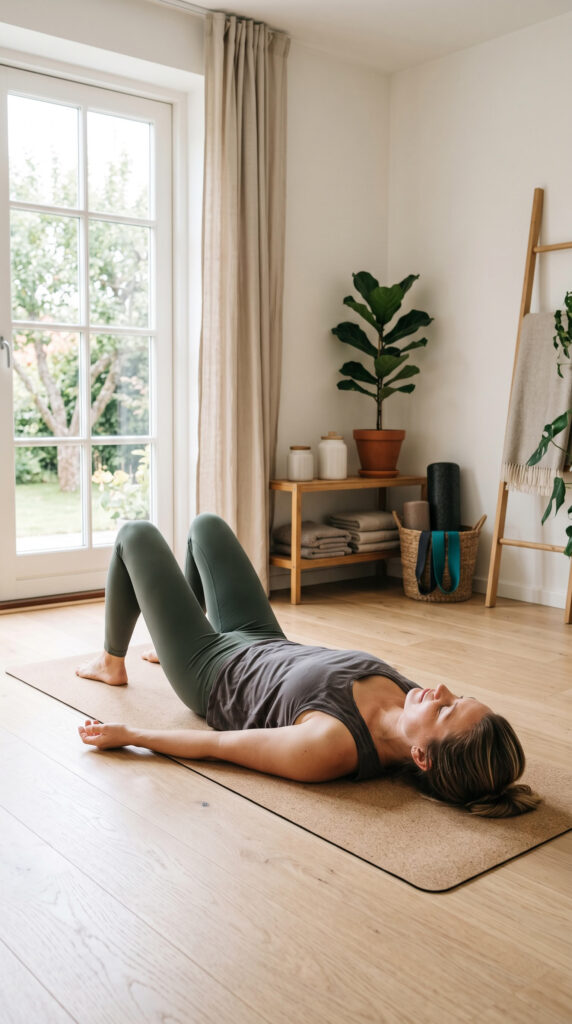
This position reduces pressure on the pelvic floor, making it ideal for beginners.
Steps:
- Lie comfortably on your back.
- Keep your shoulders relaxed.
- Tighten the pelvic floor muscles.
- Hold for 5 seconds.
- Relax fully.
- Repeat 10 repetitions.
5. Sitting Kegels
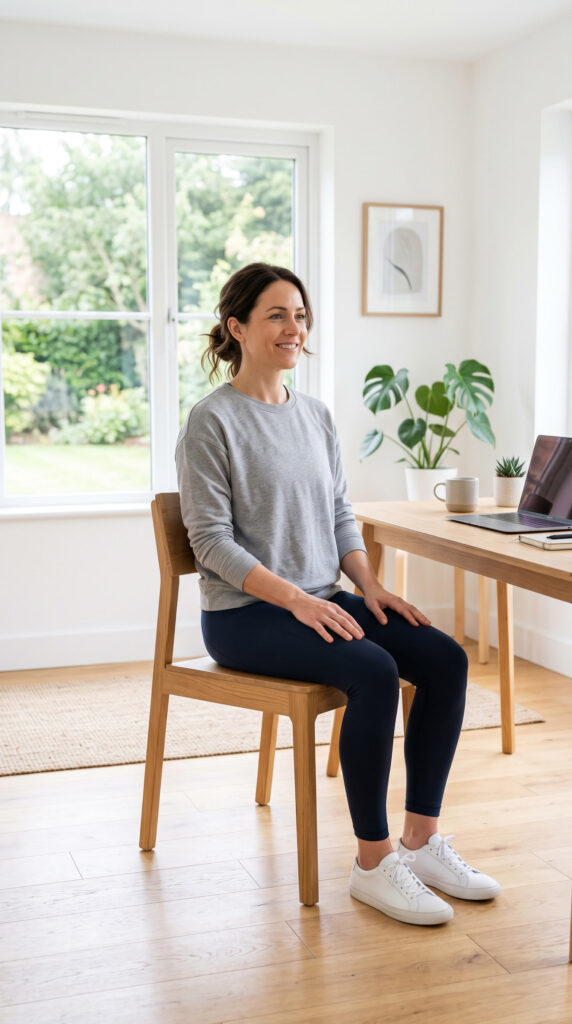
Once lying down feels easy, progress to sitting.
Steps:
- Sit upright in a chair.
- Keep both feet flat on the floor.
- Tighten your pelvic floor.
- Hold for 5 seconds.
- Relax.
- Repeat 10 times.
6. Standing Kegels
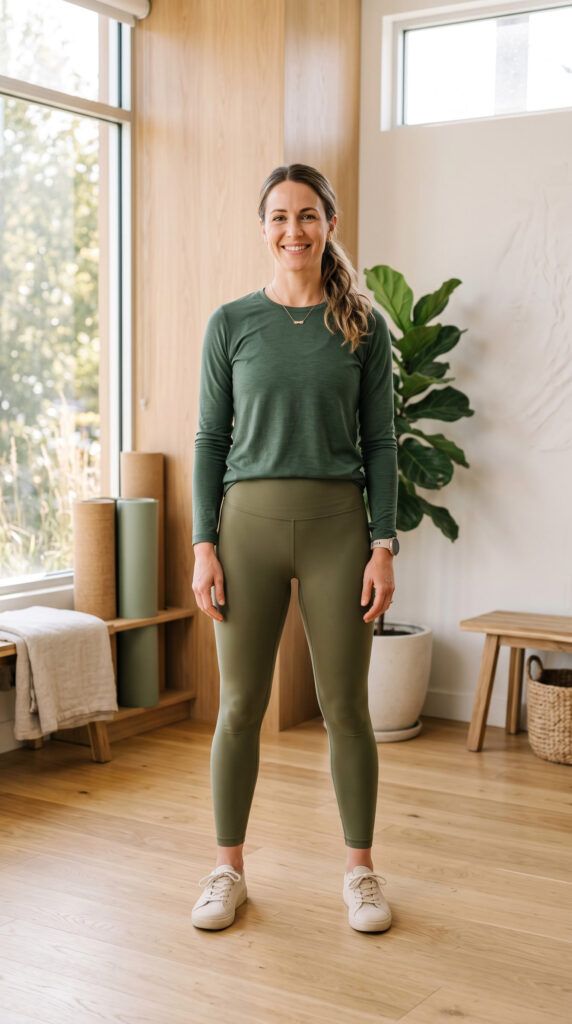
Standing adds a little more challenge because gravity increases the workload.
Steps:
- Stand with your feet shoulder-width apart.
- Relax your shoulders.
- Contract your pelvic floor muscles.
- Hold for 5–8 seconds.
- Relax completely.
- Repeat 10 times.
7. Elevator Kegels
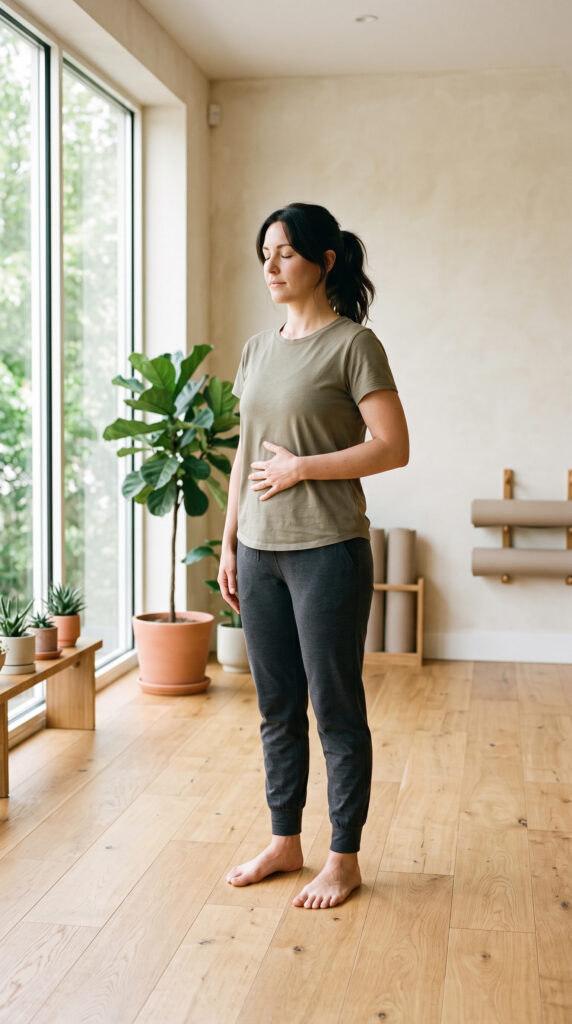
Imagine your pelvic floor moving upwards like an elevator.
Steps:
- Slowly tighten your pelvic floor.
- Increase the squeeze gradually.
- Hold briefly at the top.
- Slowly release in stages.
- Repeat 8–10 times.
8. Bridge With Kegel

This combines pelvic floor activation with glute strengthening.
Steps:
- Lie on your back with knees bent.
- Tighten your pelvic floor.
- Lift your hips into a bridge.
- Hold for a few seconds.
- Lower slowly while relaxing.
- Repeat 10 repetitions.
9. Marching Kegels
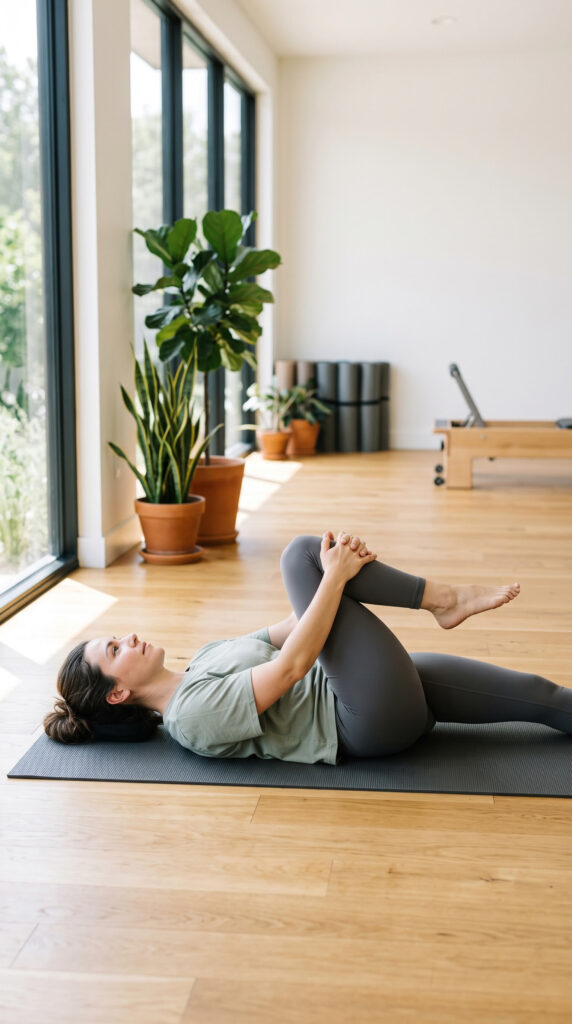
This exercise challenges your core while keeping the pelvic floor engaged.
Steps:
- Lie on your back.
- Tighten your pelvic floor.
- Slowly lift one foot.
- Lower it gently.
- Repeat on the other side.
- Continue for 10 repetitions.
10. Functional Kegels

Use your pelvic floor before movements that usually increase abdominal pressure.
Steps:
- Tighten your pelvic floor before coughing.
- Hold while lifting something light.
- Relax afterwards.
- Practise throughout the day whenever needed.
This helps your muscles respond naturally during everyday activities.
Kegel Exercise Plan For Beginners
If you’re unsure where to start, follow this simple kegel exercise plan.
Week 1
- 10 slow holds
- 10 quick squeezes
- Once daily
Week 2
- 10 slow holds
- 15 quick squeezes
- 5 long holds
- Twice daily
Week 3 And Beyond
- 10 slow holds
- 15 quick squeezes
- 10 long holds
- Functional contractions throughout the day
Consistency matters more than doing hundreds of repetitions.
Kegel Exercises For Men And Women
The basic technique is the same, but the benefits can vary.
For Women
Women often perform these exercises to:
- Improve bladder control
- Recover after childbirth
- Support pelvic organs
- Strengthen the pelvic floor during ageing
For Men
Men may benefit by:
- Improving bladder control after prostate surgery
- Supporting pelvic health
- Strengthening pelvic floor muscles
- Improving muscle coordination
Kegel Exercise For Pregnancy
Many healthcare professionals recommend Kegel exercises for pregnancy because they help prepare the pelvic floor for childbirth and recovery afterwards.
Benefits may include:
- Better pelvic support
- Reduced urine leakage
- Improved muscle awareness
- Easier recovery after delivery
If you have pregnancy complications or your healthcare provider has advised against pelvic floor exercises, seek medical advice before starting.
Kegel Exercise For Bladder Control
One of the most common reasons people start pelvic floor training is to improve bladder control.
Regular practice may help reduce urine leakage when:
- Laughing
- Sneezing
- Coughing
- Exercising
- Lifting heavy objects
Results often appear after several weeks of consistent practice, so patience is important.
Common Mistakes Beginners Should Avoid
Avoid these common errors:
- Holding your breath
- Tightening your stomach instead of your pelvic floor
- Squeezing your buttocks or thighs
- Doing too many repetitions too quickly
- Forgetting to fully relax between contractions
- Stopping urine regularly to practise the exercise
Quality contractions are much more effective than rushing through lots of repetitions.
Frequently Asked Questions
How Often Should I Do Kegel Exercises?
Most beginners benefit from one or two short sessions each day.
How Long Does It Take To See Results?
Many people notice improvements after 6 to 12 weeks of regular practice.
Can Beginners Do Kegels Every Day?
Yes. Daily practice is generally recommended because these are gentle strengthening exercises.
Should Kegel Exercises Hurt?
No. If you experience pain or discomfort, stop exercising and consult a healthcare professional.
The Bottom Line
Learning how to do Kegel exercises correctly is one of the best ways to strengthen your pelvic floor and improve everyday comfort. Start with simple movements, focus on proper technique, and increase the difficulty gradually as your muscles become stronger.
Whether your goal is improving bladder control, supporting recovery after pregnancy, or simply building a healthier pelvic floor, practising these beginner-friendly exercises consistently can make a meaningful difference over time. Remember that progress takes patience, and a few minutes of daily practice is often more effective than occasional long workouts.