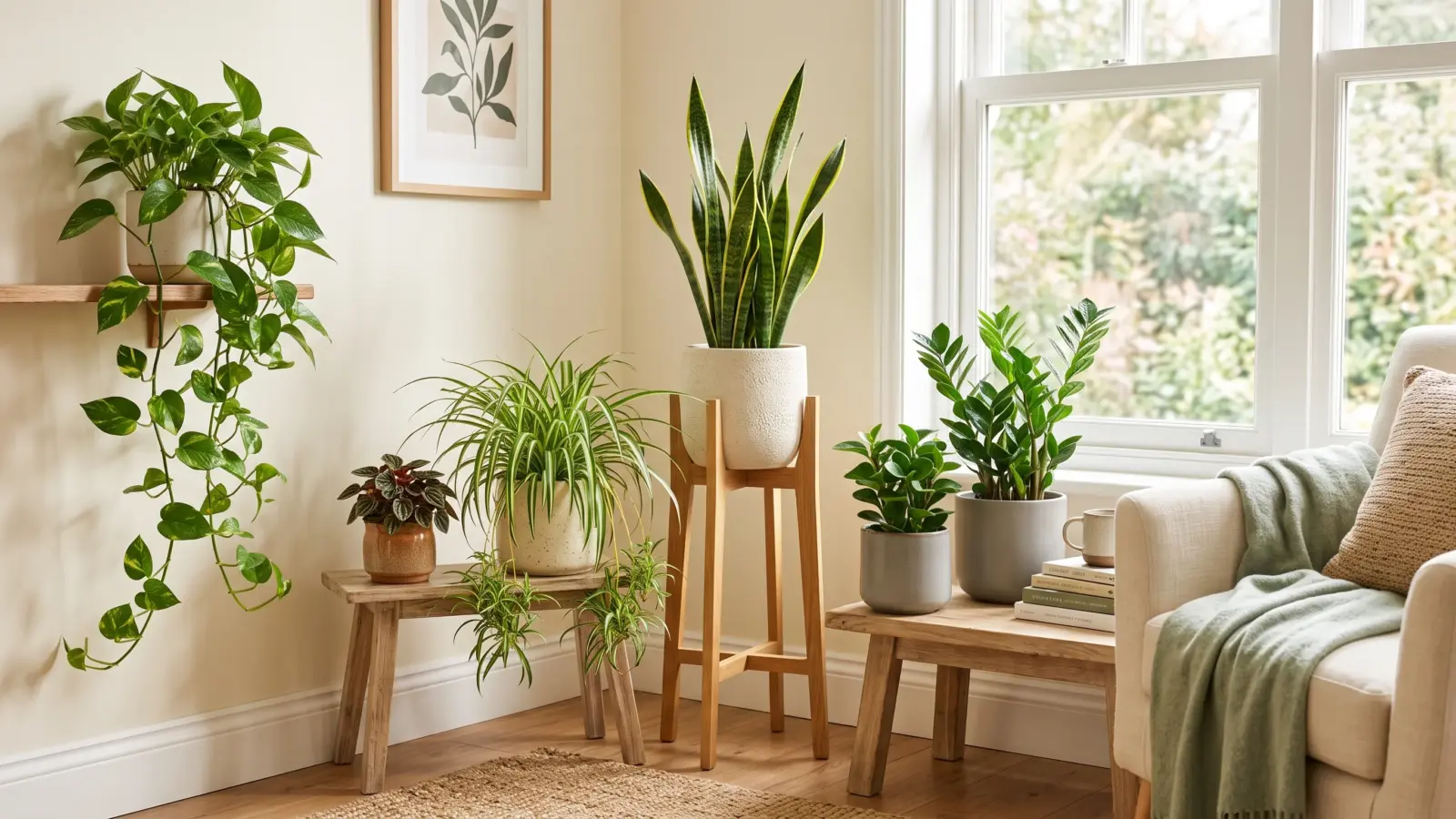
If you’re new to keeping plants, choosing the right ones can make things much easier. The easiest houseplants for beginners are usually forgiving, adaptable, and able to handle the occasional missed watering. You don’t need a green thumb to keep these plants happy.
Here are 12 easy houseplants that are great starting points if you want to bring more greenery into your home without making plant care feel like a chore.
1. Pothos
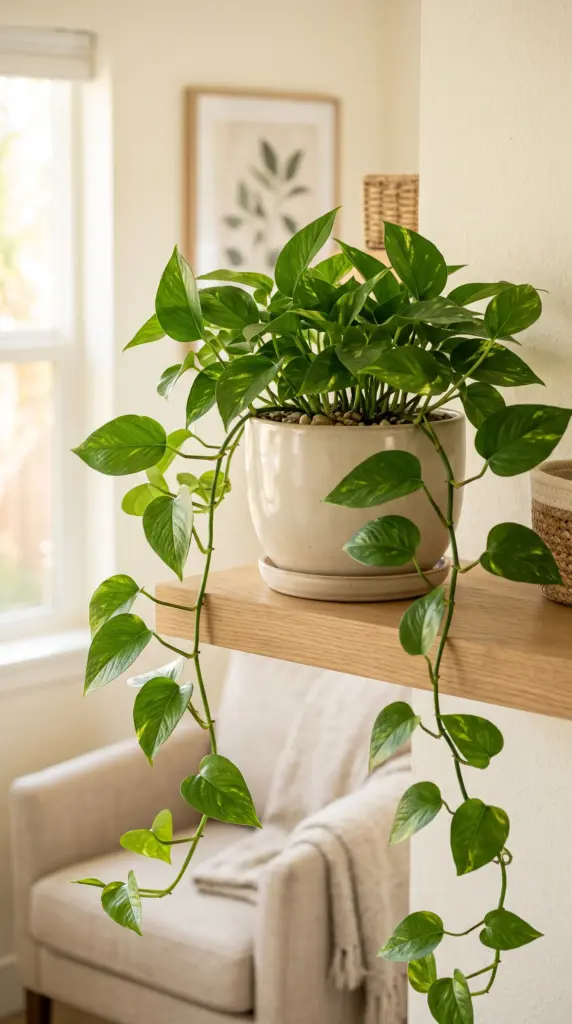
Pothos is one of the easiest houseplants you can grow, especially if you’re just getting started. It grows quickly, handles a little neglect, and doesn’t need complicated care.
It does well in bright, indirect light but can also tolerate lower-light spots. Let the soil dry out somewhat between waterings, and avoid keeping it constantly wet.
Another nice thing about pothos is that you can easily take cuttings and grow new plants from them. If you want a houseplant that gives you plenty of room to learn, pothos is a great choice.
2. Snake Plant
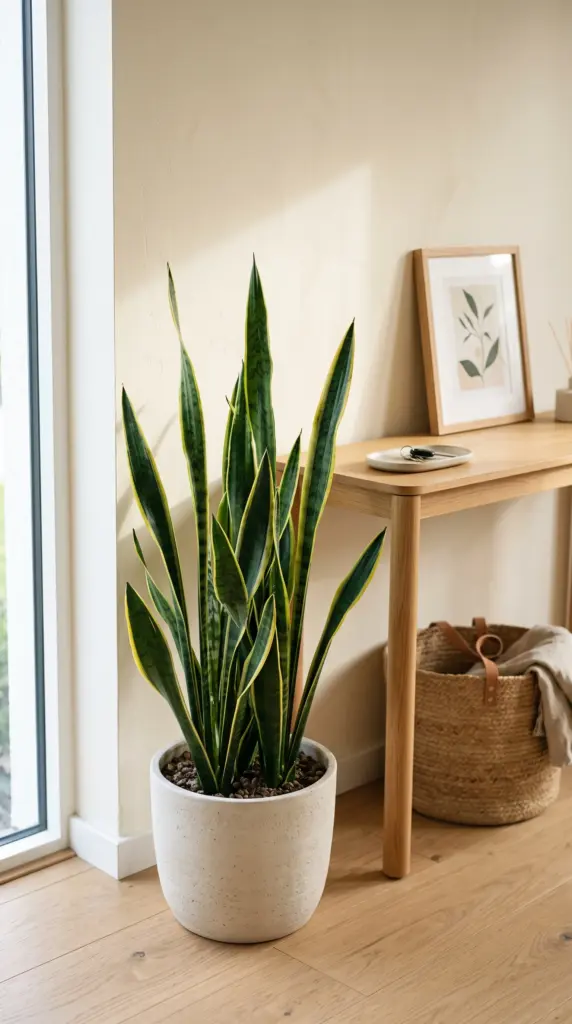
Snake plants are famous for being hard to kill, which makes them perfect for beginners.
They can handle different lighting conditions, although brighter indirect light will usually encourage better growth. They also don’t need frequent watering. In fact, overwatering is a bigger problem than forgetting to water them.
Wait until the soil has dried out before watering again. If you tend to forget about your plants for a while, a snake plant can be very forgiving.
3. ZZ Plant
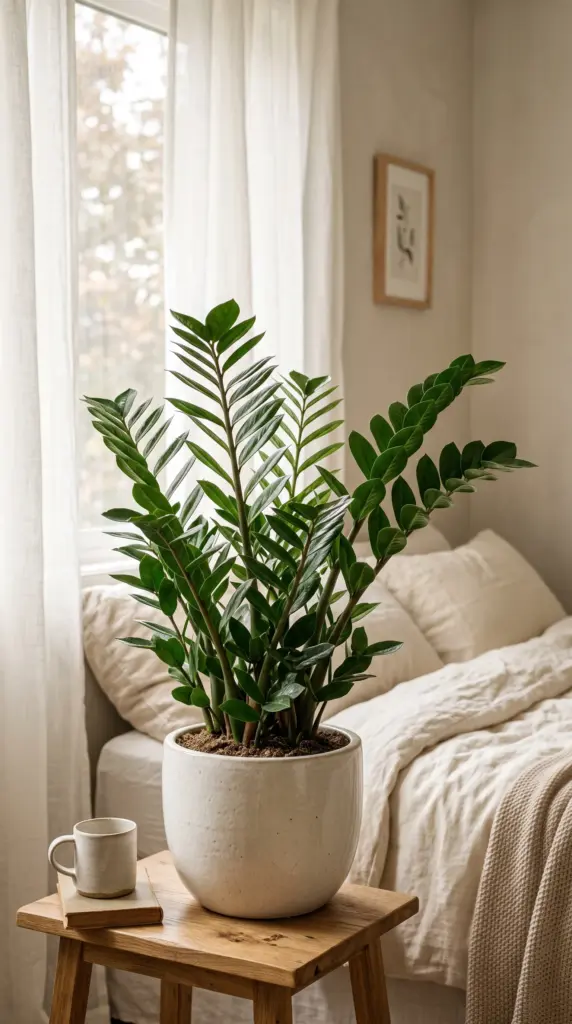
The ZZ plant is another excellent choice if you want something that doesn’t demand much attention.
Its thick stems and underground rhizomes allow it to store water, so it can handle periods of dry soil. It also adapts well to lower-light areas, making it useful for rooms that don’t get much direct sunlight.
Give it well-draining soil, avoid overwatering, and let it do its thing. That’s about as simple as houseplant care gets.
4. Spider Plant
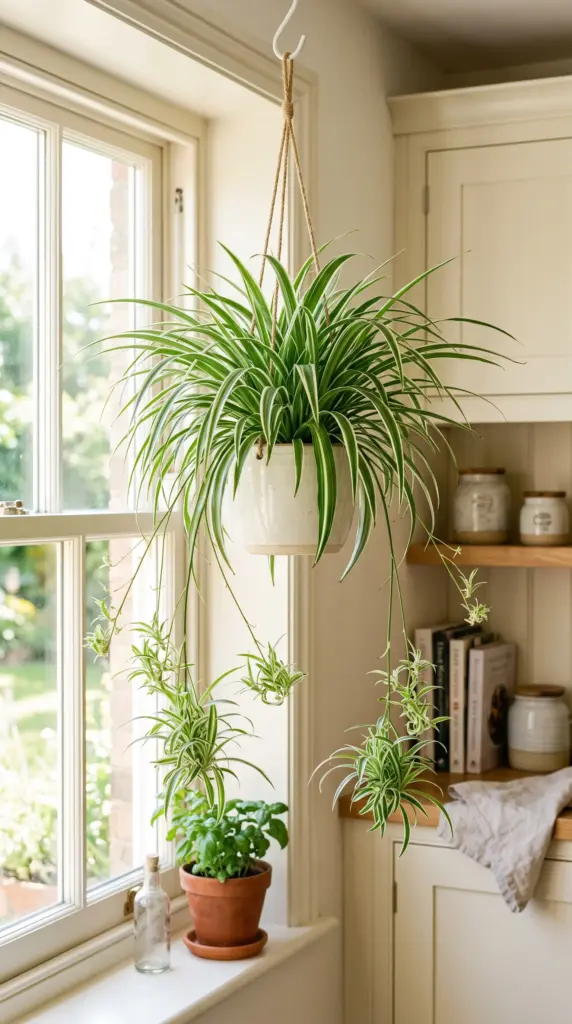
Spider plants are easy to grow and especially fun if you like watching your plants produce new growth.
They can adapt to a range of indoor conditions and generally prefer bright, indirect light. Keep the soil lightly moist but allow the top layer to dry a little between waterings.
Mature spider plants often produce small plantlets, sometimes called spiderettes, that grow from long stems. You can leave them attached or use them to grow new plants.
5. Heartleaf Philodendron
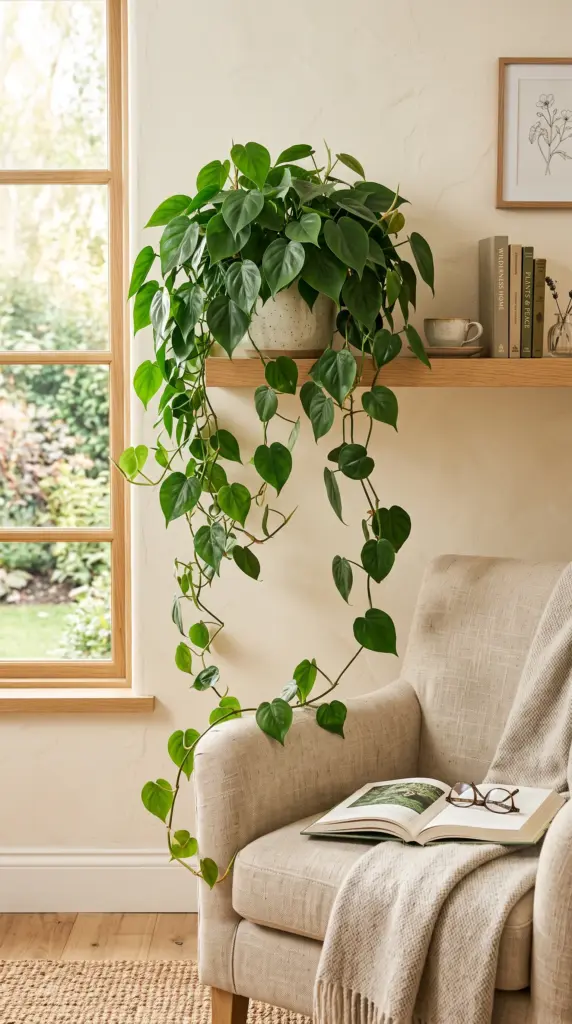
Heartleaf philodendron is a great option if you like trailing plants. Its heart-shaped leaves look good hanging from a shelf, sitting on a bookcase, or climbing a support.
It prefers bright, indirect light but can tolerate lower light. Water when the top portion of the soil feels dry rather than following a strict watering schedule.
It also grows readily from cuttings, so beginners can experiment with propagation without needing much special equipment.
6. Chinese Evergreen
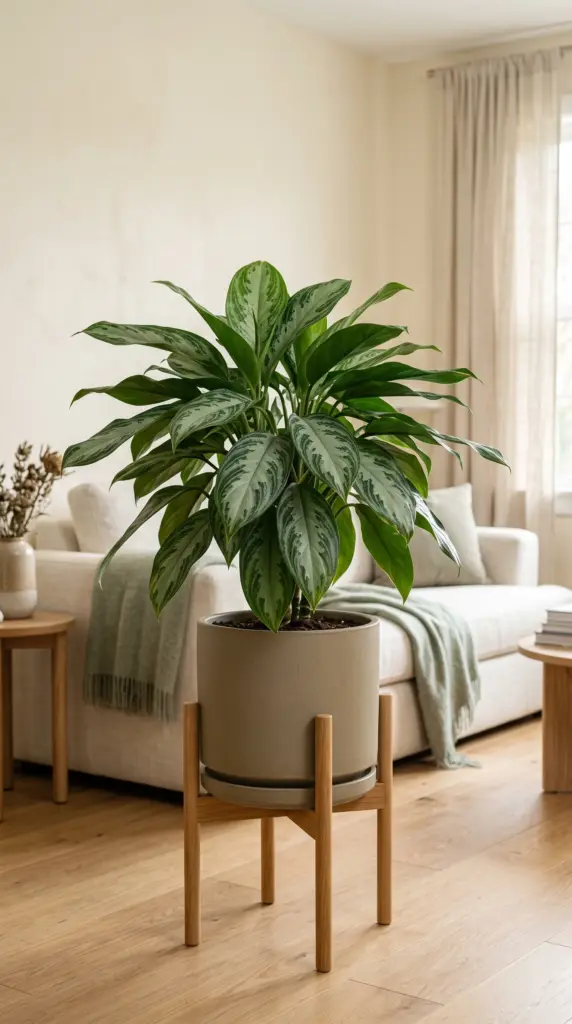
Chinese evergreen is a good choice when you want attractive foliage without complicated care.
It can adapt to a variety of indoor lighting conditions and generally doesn’t need to be watered constantly. Let the soil dry slightly before watering again.
Different varieties have different leaf patterns and colors, so you can find one that suits your space. Just keep in mind that Chinese evergreen is toxic if eaten, so it’s best kept away from pets and young children who might chew on the leaves.
7. Cast Iron Plant
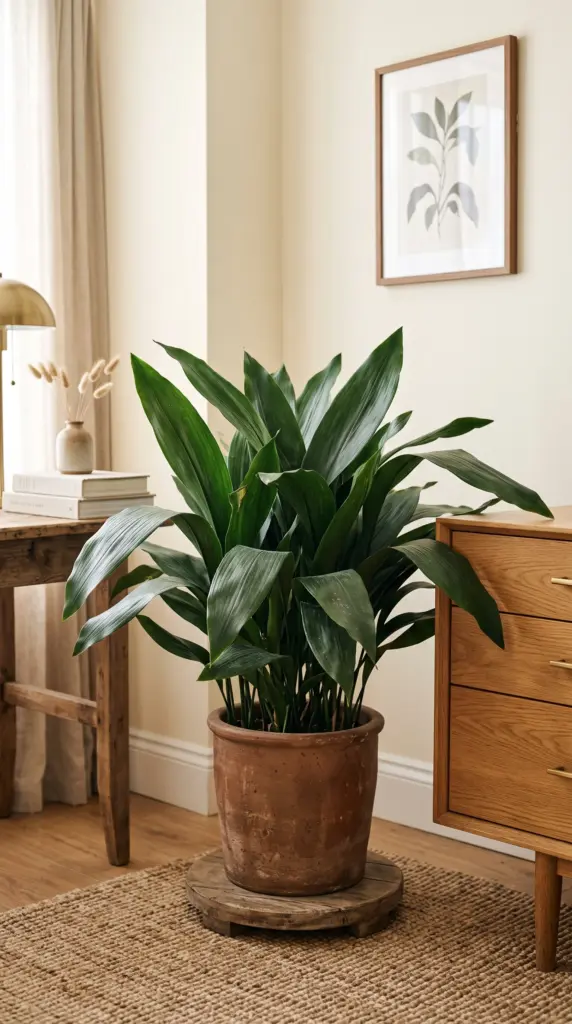
The cast iron plant has earned its reputation for being tough.
It handles lower light, occasional missed waterings, and less-than-perfect indoor conditions better than many houseplants. It also grows fairly slowly, so you won’t constantly need to prune or repot it.
If you want a plant that can quietly sit in a corner without demanding much attention, this is one of the best options on the list.
8. Peperomia
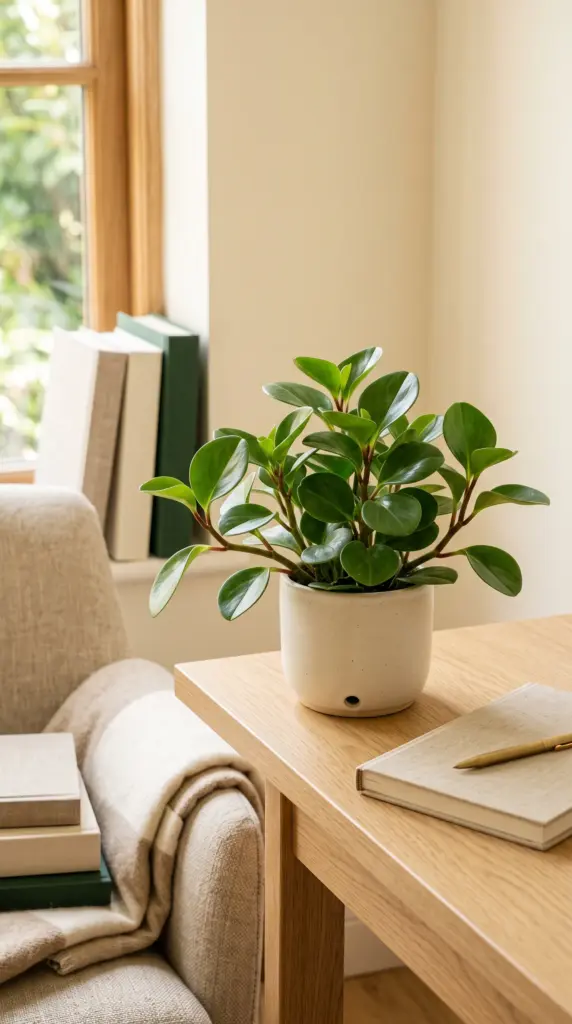
Peperomia is a great beginner plant if you don’t have much space.
Wide varieties stay relatively compact, making them easy to place on desks, shelves, and small tables. Their thick leaves also help them hold onto moisture.
Give peperomia bright, indirect light and allow the soil to dry somewhat between waterings. The biggest mistake to avoid is giving it too much water.
9. Rubber Plant
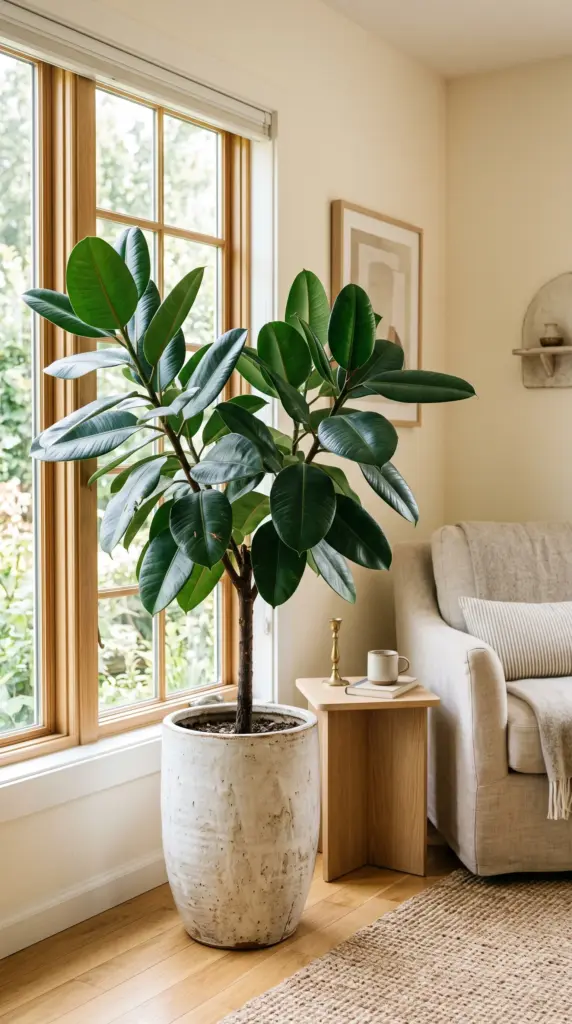
Rubber plants are a good choice if you want something that can eventually become a larger feature in your room.
They prefer bright, indirect light and generally appreciate consistent but not excessive watering. Allow the top part of the soil to dry before watering again.
With reasonable care, a rubber plant can grow into an impressive indoor tree. It’s a nice option if you want a beginner-friendly plant that can become more dramatic over time.
10. Jade Plant
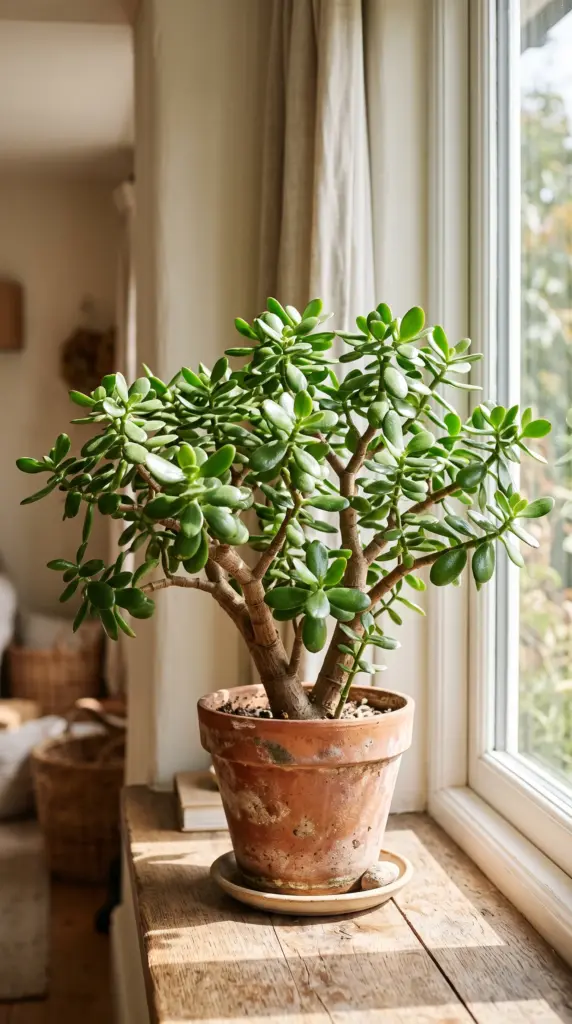
Jade plants are succulents, so they are naturally good at storing water in their thick leaves and stems.
They prefer plenty of bright light, ideally near a sunny window. Let the soil dry out thoroughly between waterings, especially during periods of slower growth.
The main thing to remember with jade plants is simple: don’t water them just because you’re watering your other houseplants. They prefer to dry out between drinks.
11. Aloe Vera
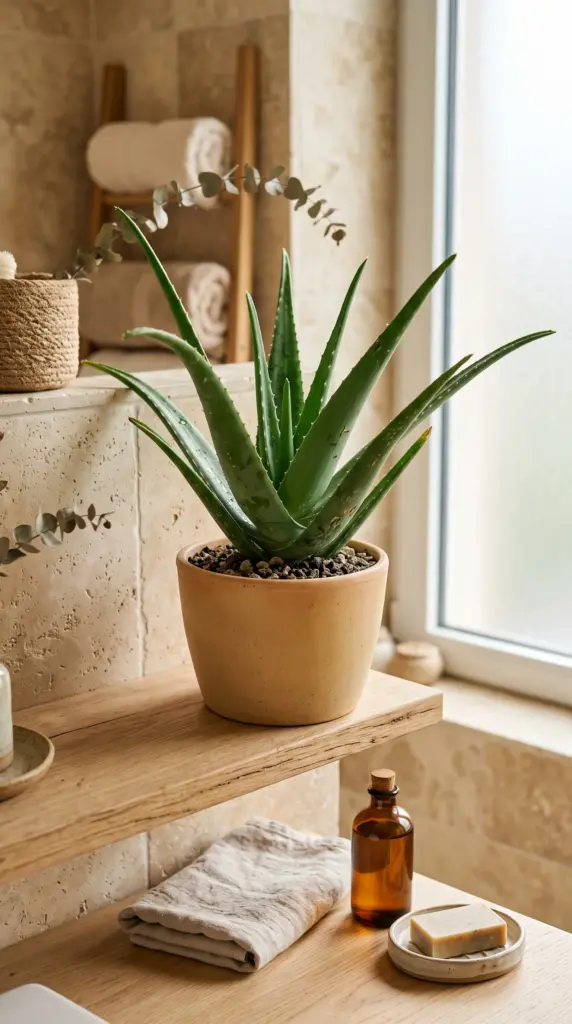
Aloe vera is another beginner-friendly succulent that doesn’t need constant attention.
Place it somewhere with plenty of bright light and use a pot with good drainage. Allow the soil to dry out before watering again.
Aloe vera also has a distinctive, sculptural appearance, so it can add some character to a sunny windowsill without requiring a complicated care routine.
12. Parlor Palm
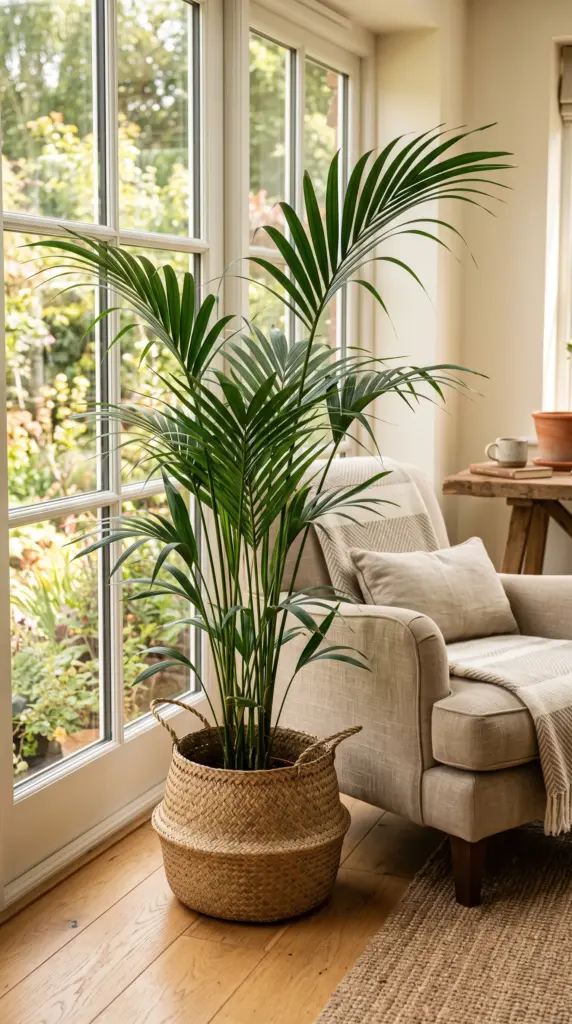
If you’d like a softer, more tropical look, consider a parlor palm.
It’s relatively adaptable to indoor conditions and does well in bright, indirect light. It can also tolerate somewhat lower light, although growth may be slower.
Water when the soil begins to dry, but don’t leave the roots sitting in soggy soil. With a little basic care, a parlor palm can bring a relaxed, leafy feel to a room.
How to Choose Your First Houseplant
The easiest plant for you depends partly on your home and your habits.
If you often forget to water, start with a snake plant, ZZ plant, cast iron plant, or jade plant. If you want something that grows and trails, pothos or heartleaf philodendron may be a better fit.
Light is another important factor. A plant that’s easy to care for still needs suitable lighting. If your home has darker rooms or limited natural light, you may want to look at our guide to 16 best low-light indoor plants for beginners.
And don’t feel like you need to buy a large collection right away. Starting with one or two plants makes it easier to learn how often your particular space needs watering.
Common Beginner Houseplant Mistakes
Most new plant owners don’t struggle because they don’t care enough. They often struggle because they care too much.
Overwatering is one of the most common problems. Before adding more water, check the soil and make sure the plant actually needs it.
Using a pot without drainage can also cause trouble. Excess water needs somewhere to go, especially for plants that prefer their soil to dry between waterings.
Finally, avoid moving your plants around constantly. Give them a suitable spot, watch how they respond, and make small adjustments when necessary.
The Takeaway
You don’t need to become an expert before buying your first houseplant. Start with something forgiving, learn what it needs, and pay attention to how it responds.
Pothos, snake plants, ZZ plants, spider plants, and the other options on this list can all be good starting points. Once you get comfortable caring for one plant, adding another becomes much less intimidating.
The goal isn’t perfect plant care. It’s simply finding plants that fit your home, your light, and the amount of attention you’re realistically able to give them.